Paper for Tea Bags: Filter Material, Seal, and Disposal Checks
Paper for Tea Bags: Filter Material, Seal, and Disposal Checks with practical checks, facts, boundaries, FAQ, and related internal guides.
Quick Answer: Paper for tea bags should be checked by fiber material, sealing method, wet strength, particle retention, and local disposal rules. Paper-like texture does not prove plastic-free, compostable, or accepted by a local facility.
Tea bag paper checks facts
- Material
- Filter paper can include blends or seal layers.
- Wet strength
- The bag must hold during steeping.
- Particle control
- Fine herbs need tighter filtration.
- Disposal
- Facility rules decide compost acceptance.
- Limit
- Labels need product-specific checking.
Separate filter paper from ordinary paper
Paper for tea bags is not the same as notebook or wrapping paper. It has to survive hot water while letting flavor move through.
That means fiber blend, thickness, pore size, and seal method all matter. A paper-like feel does not tell the whole story.
Start by treating the bag as a food-contact filter material, not as generic paper.
Check wet strength before brew quality
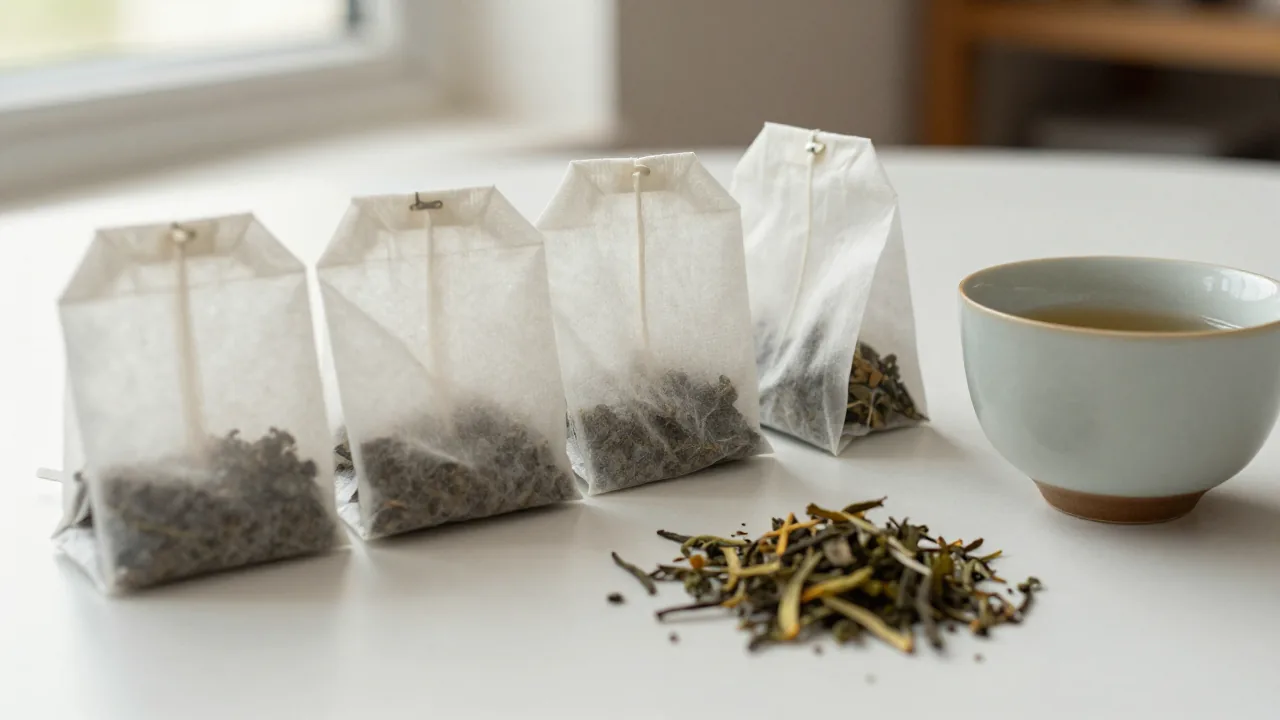
A tea bag must hold shape during steeping. If the material weakens quickly, herbs can escape and the cup becomes gritty.
Wet strength depends on both the paper and the seal. A good material can still fail if the edge opens or the drawstring tears.
Test with the actual herbs or tea cut whenever possible, because fine particles stress the filter differently from whole leaves.
Match pore size to herbs and tea cut
Fine herbal blends need smaller pores than large leaves. A bag that works for one blend may leak dust from another.
Too tight a filter can slow infusion, while too open a filter can release particles. The useful choice balances flavor movement and clarity.
That is why the material should be matched to the contents, not chosen only by appearance.
Read seal and component details
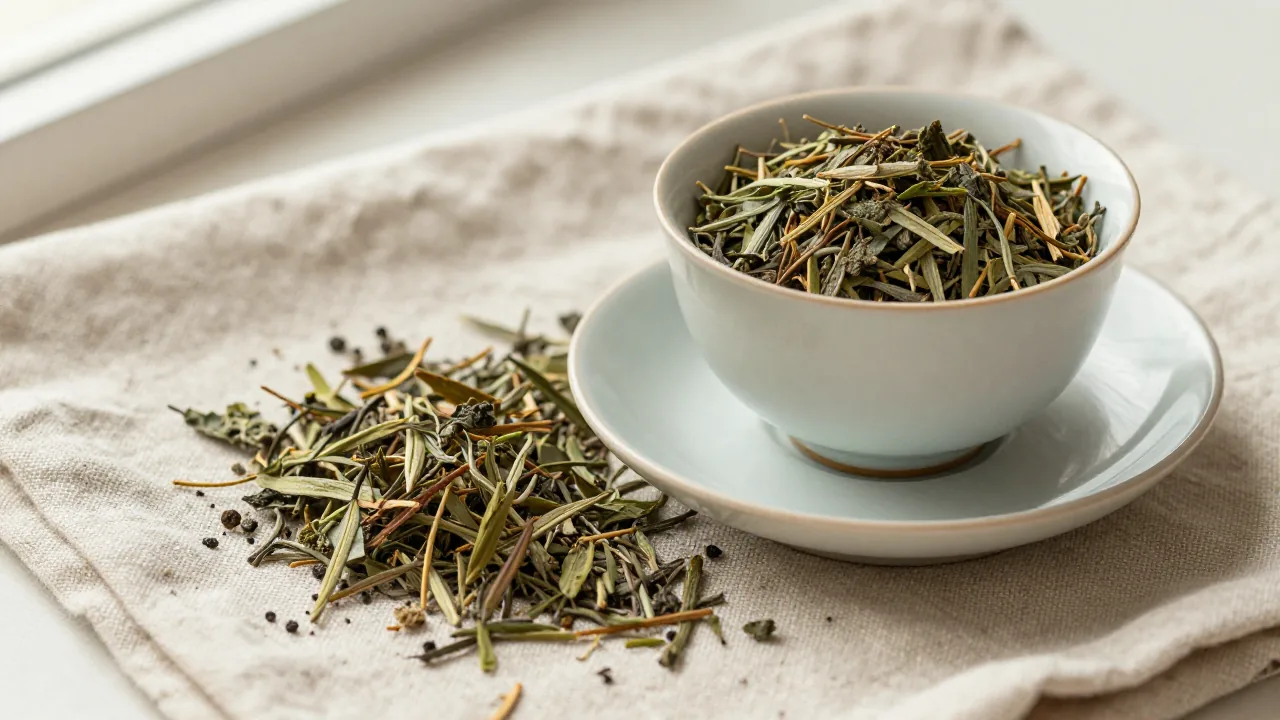
A disposable tea bag may include paper, heat-seal fibers, string, tag, staple, glue, or wrapper. Each component can affect disposal.
Do not assume one label covers every part. The bag may be one material while the tag or wrapper follows another rule.
A careful check separates the steeping material from the packaging and accessory pieces.
Use local disposal rules before compost claims
Compostability depends on exact material and local facility acceptance. A bag that is marketed as biodegradable may not be accepted in a home compost pile or municipal stream.
Local rules should come before general claims. If the product lacks clear certification or facility guidance, dispose conservatively.
The safest wording is conditional: check the product label and local facility before composting.
Paper for Tea Bags checklist
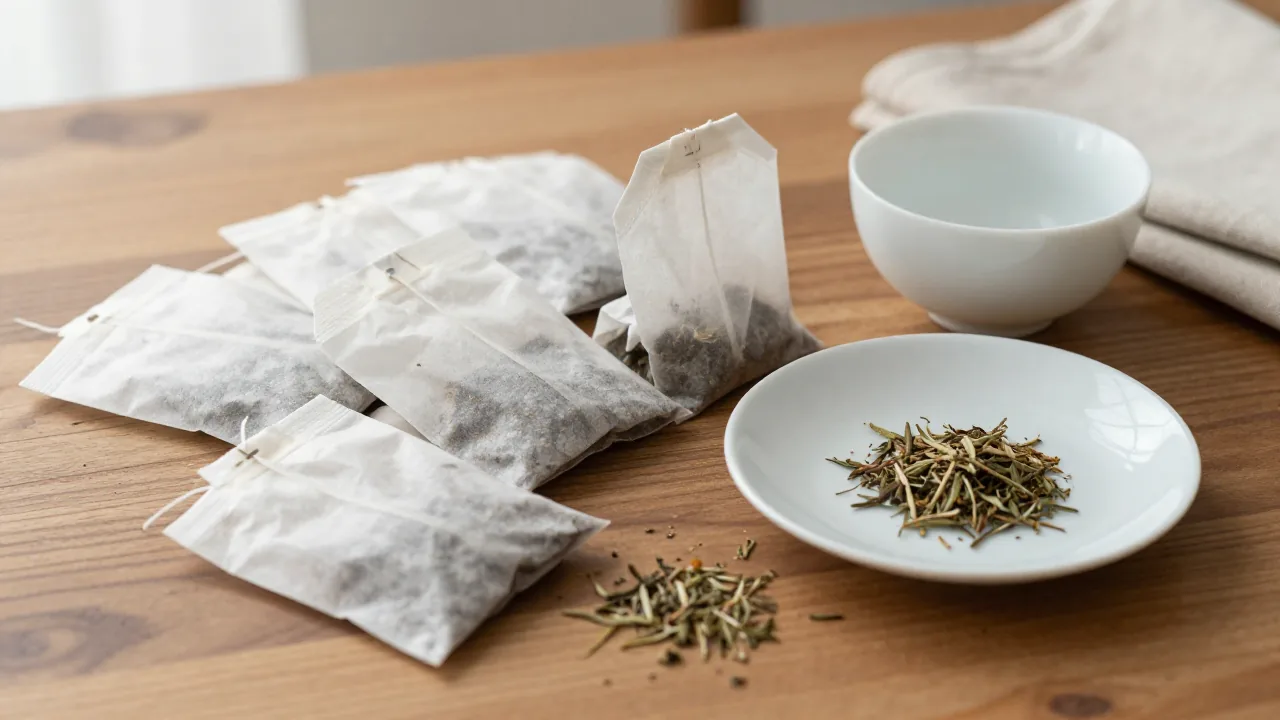
- Identify the filter material.
- Test wet strength.
- Match pore size to the herb cut.
- Separate bag, string, tag, and wrapper.
- Check local compost rules.
Paper for Tea Bags questions
Is paper for tea bags the same as normal paper?
No. Tea bag paper is a filter material designed for steeping and wet strength.
Does paper mean compostable?
No. Compostability depends on material, components, and local facility rules.
Why does pore size matter?
It controls how much fine tea or herb material escapes into the cup.
Should I remove tags and staples?
Check the exact product and local rules; components may need different disposal.
Can labels be trusted automatically?
No. Read the specific label and facility guidance before making a disposal claim.