Disposable Paper Tea Bags: Material, Seal, and Disposal Checks
Disposable Paper Tea Bags: Material, Seal, and Disposal Checks with source-aware facts, practical steps, boundaries, FAQ, and related guides.
Quick Answer: Disposable paper tea bags should be checked by exact material, seal method, wet strength, string or tag parts, and local disposal rules. Paper-like appearance does not prove compostable, plastic-free, or accepted by a facility.
Tea-bag material facts
- Material
- Filter paper blends and sealing layers vary.
- Seal
- Heat-seal, fold-over, stitched, or drawstring formats behave differently.
- Brew risk
- Weak bags can tear or leak fine particles.
- Disposal
- Compost and waste rules depend on local facilities.
- Use limit
- Do not assume every paper-looking bag is compostable.
Check the material before the disposal claim
Check the material before the disposal claim is the practical lens that keeps disposable paper tea bags from becoming too broad. It tells the reader which input, object, setting, or method should be named before any conclusion is drawn.
The useful detail is specific here: Filter paper blends and sealing layers vary. The reader can check that point in the actual situation instead of treating it as a universal rule.
For the "Check the material before the disposal claim" step, keep the result modest: use it to make one note, choice, or reflection, not to turn disposable paper tea bags into a promise that overrides context.
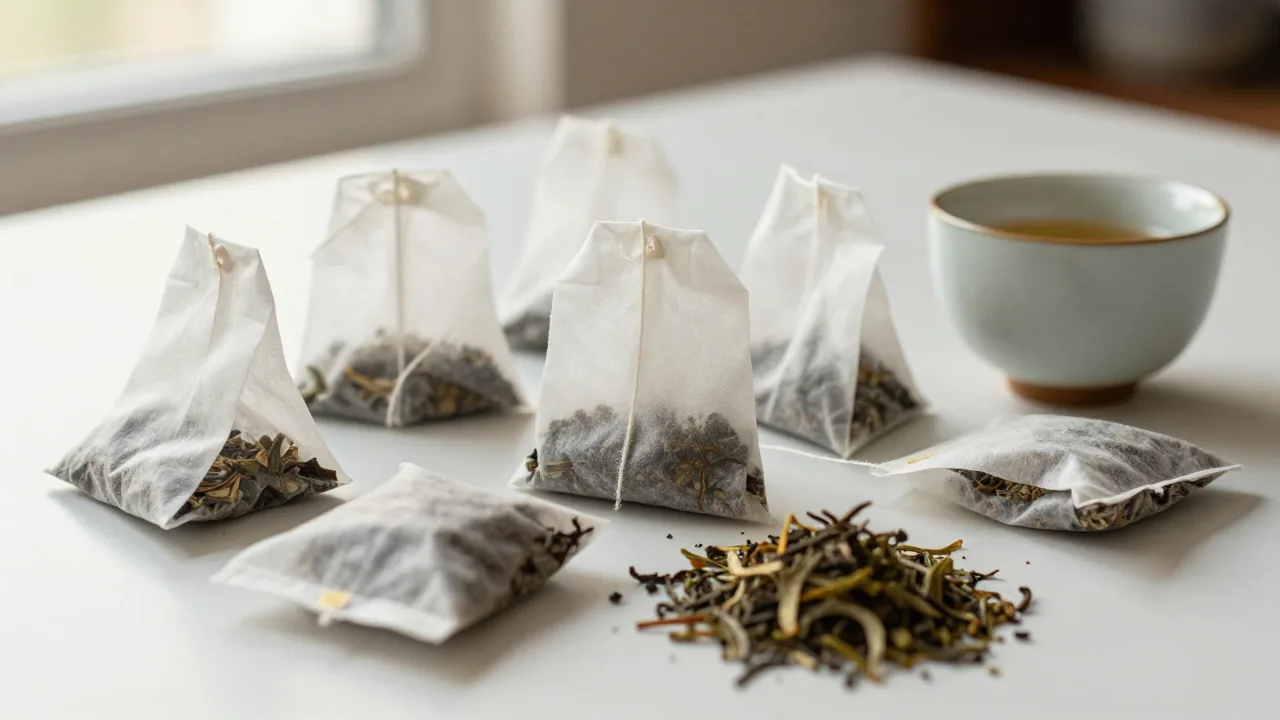
Match the seal style to your tea or herbs
Match the seal style to your tea or herbs is the practical lens that keeps disposable paper tea bags from becoming too broad. It tells the reader which input, object, setting, or method should be named before any conclusion is drawn.
The useful detail is specific here: Heat-seal, fold-over, stitched, or drawstring formats behave differently. The reader can check that point in the actual situation instead of treating it as a universal rule.
For the "Match the seal style to your tea or herbs" step, keep the result modest: use it to make one note, choice, or reflection, not to turn disposable paper tea bags into a promise that overrides context.
Test wet strength and particle escape
Test wet strength and particle escape is the practical lens that keeps disposable paper tea bags from becoming too broad. It tells the reader which input, object, setting, or method should be named before any conclusion is drawn.
The useful detail is specific here: Weak bags can tear or leak fine particles. The reader can check that point in the actual situation instead of treating it as a universal rule.
For the "Test wet strength and particle escape" step, keep the result modest: use it to make one note, choice, or reflection, not to turn disposable paper tea bags into a promise that overrides context.
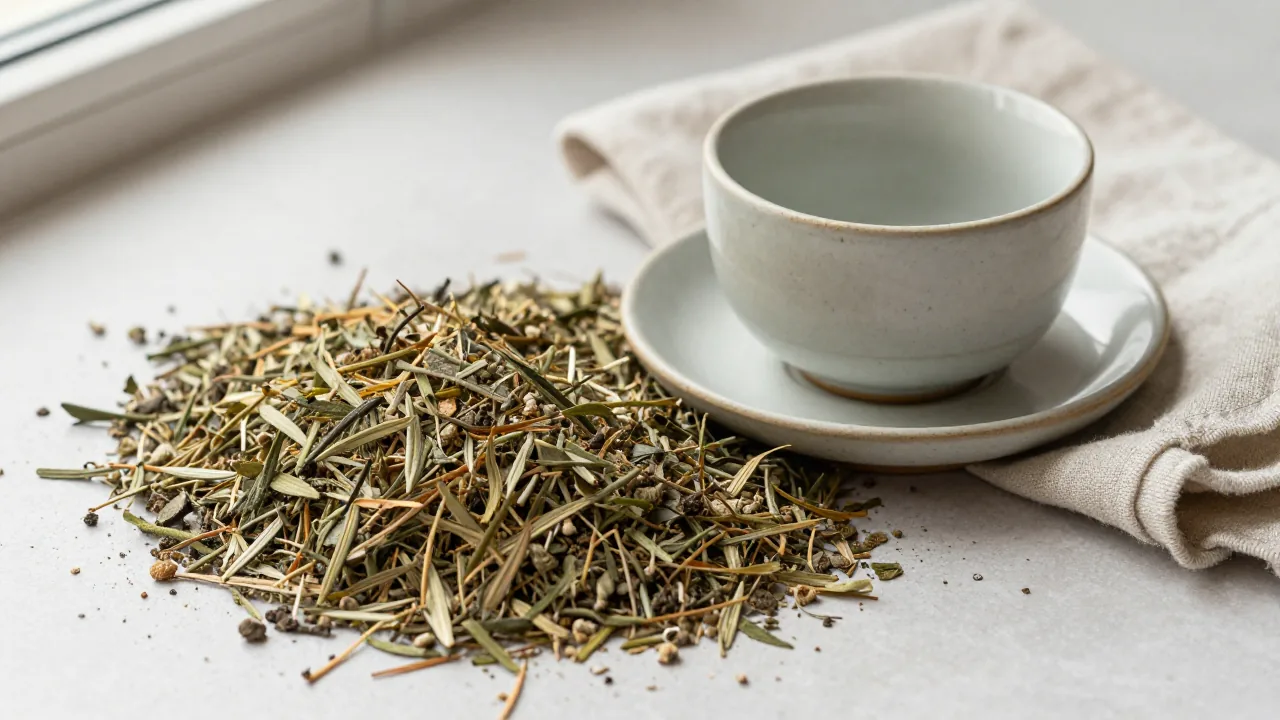
Separate bag, string, tag, and wrapper decisions
Separate bag, string, tag, and wrapper decisions is the practical lens that keeps disposable paper tea bags from becoming too broad. It tells the reader which input, object, setting, or method should be named before any conclusion is drawn.
The useful detail is specific here: Compost and waste rules depend on local facilities. The reader can check that point in the actual situation instead of treating it as a universal rule.
For the "Separate bag, string, tag, and wrapper decisions" step, keep the result modest: use it to make one note, choice, or reflection, not to turn disposable paper tea bags into a promise that overrides context.
Use local rules before calling a bag compostable
Use local rules before calling a bag compostable is the practical lens that keeps disposable paper tea bags from becoming too broad. It tells the reader which input, object, setting, or method should be named before any conclusion is drawn.
The useful detail is specific here: Do not assume every paper-looking bag is compostable. The reader can check that point in the actual situation instead of treating it as a universal rule.
For the "Use local rules before calling a bag compostable" step, keep the result modest: use it to make one note, choice, or reflection, not to turn disposable paper tea bags into a promise that overrides context.
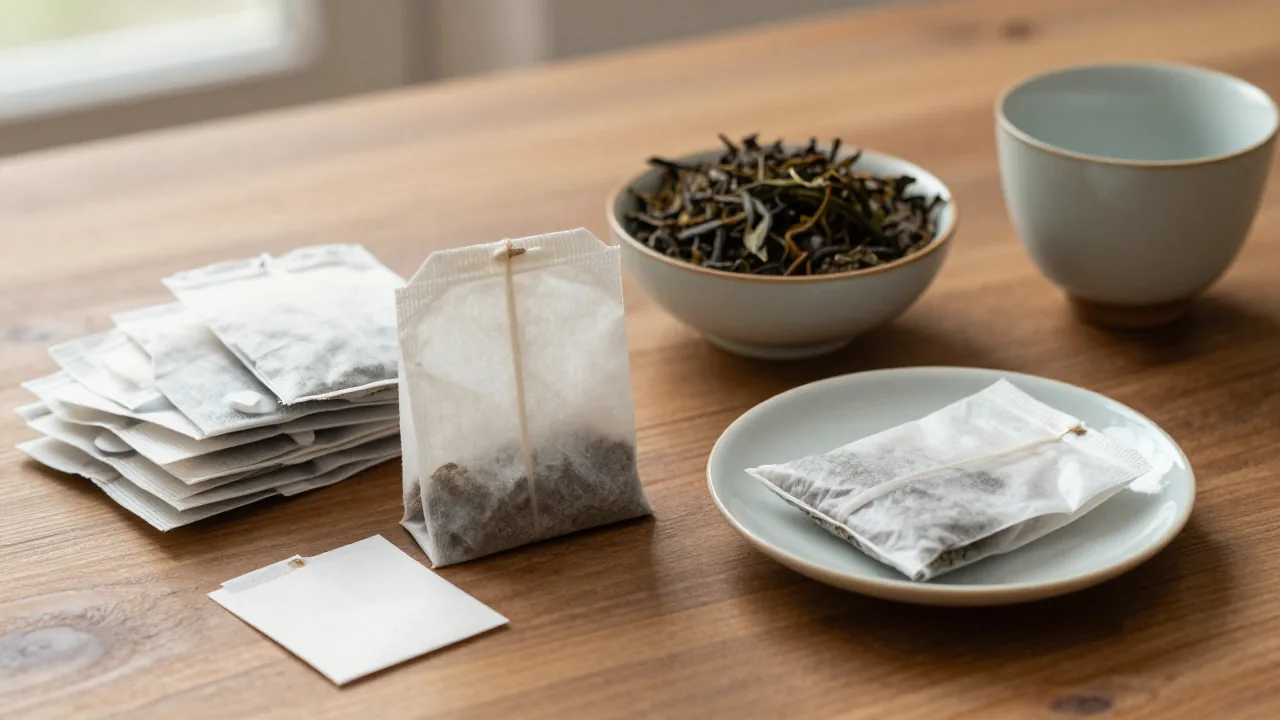
Disposable Paper Tea Bags reader steps
- the material before the disposal claim
- the seal style to your tea or herbs
- Test wet strength and particle escape
- bag, string, tag, and wrapper decisions
- local rules before calling a bag compostable
Disposable Paper Tea Bags questions
What does disposable paper tea bags mean on this page?
Disposable paper tea bags should be checked by exact material, seal method, wet strength, string or tag parts, and local disposal rules. Paper-like appearance does not prove compostable, plastic-free, or accepted by a facility.
Which detail changes the answer most?
Filter paper blends and sealing layers vary.
Can this be used as a guaranteed result?
No. The page gives context, method, and boundaries, not certainty.
Why does context matter for disposable paper tea bags?
Context identifies the method, material, relationship, setting, or record that changes how the answer should be read.
What should readers do next?
Use the steps, check the related guide, and keep any decision within the low-stakes boundary described here.