Yerba Mate Tea Bags: Label Checks, Caffeine, and Fit
Yerba Mate Tea Bags: Caffeine, Labels, and Brewing Checks with practical checks, context, and clear limits.
Quick Answer: Yerba mate tea bags are convenient, but they still need label checks. The useful questions are caffeine, blend ingredients, serving size, steeping guidance, and whether the format suits the drinker.
Yerba mate bag label facts
- Material
- Primary context for yerba mate tea bags.
- Size
- Needs source or method clarity before use.
- Risk
- Supports the reader task, not a guaranteed result.
- Use case
- Should be checked against the situation.
- Included
- Use as bounded cultural or practical context.
Check whether the bag is yerba mate or a blend
Yerba mate tea bags may contain plain yerba mate or a blend with herbs, flavoring, green tea, or other ingredients. The ingredient panel should be checked before assuming the caffeine level or taste.
A blend can change bitterness, aroma, and stimulant effect. It can also change whether the product fits a reader's dietary or sensitivity needs.
This guide treats the bag label as the starting evidence, not the product name alone.
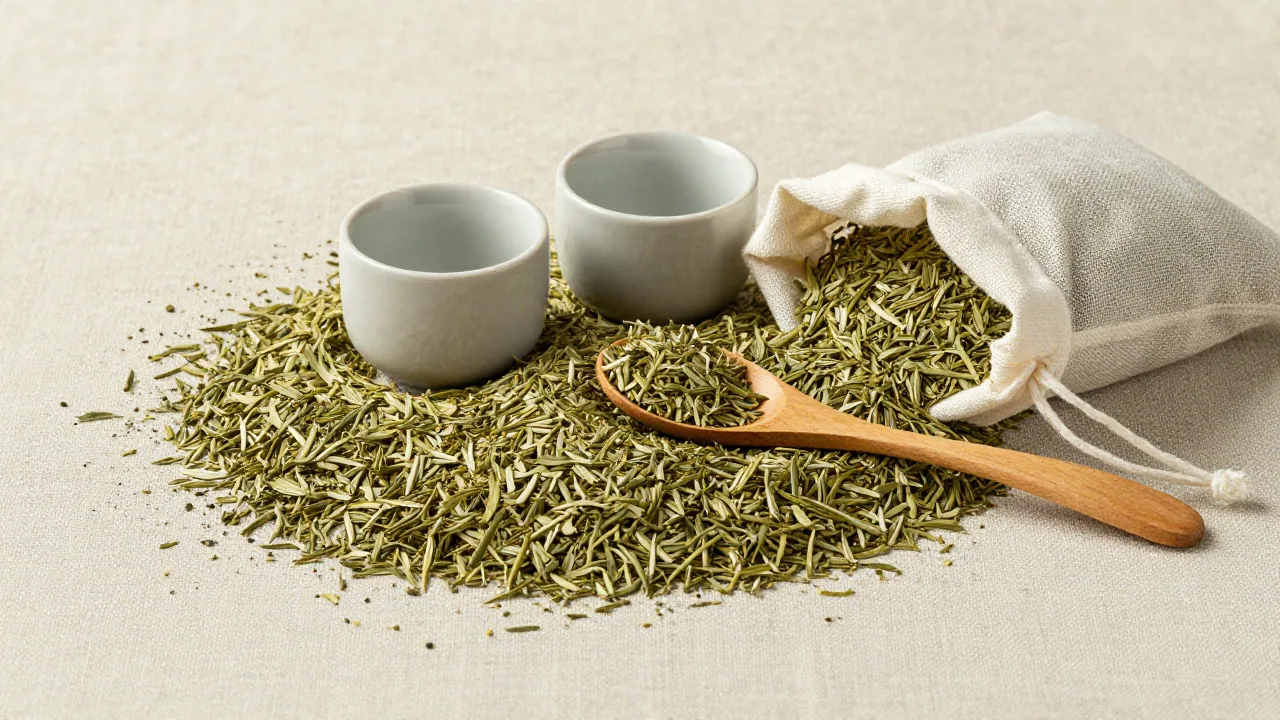
Read caffeine claims carefully
Yerba mate naturally contains caffeine, but the amount in a tea bag depends on leaf weight, cut, steep time, water temperature, and blend ratio.
Do not treat a generic yerba mate statement as a precise serving claim. If caffeine matters for sleep, medication, pregnancy, anxiety, heart conditions, or other health concerns, qualified advice is more appropriate.
A careful product note records the label's serving size and any caffeine statement without inventing a number.
Match bag format to brewing style
Tea bags are convenient, but they are not identical to traditional loose yerba mate preparation. The bag format usually limits leaf expansion and changes the strength of the cup.
That does not make the bag useless. It can fit office, travel, or beginner tasting situations where simple cleanup matters.
The reader should choose the format based on routine, taste tolerance, and label clarity.
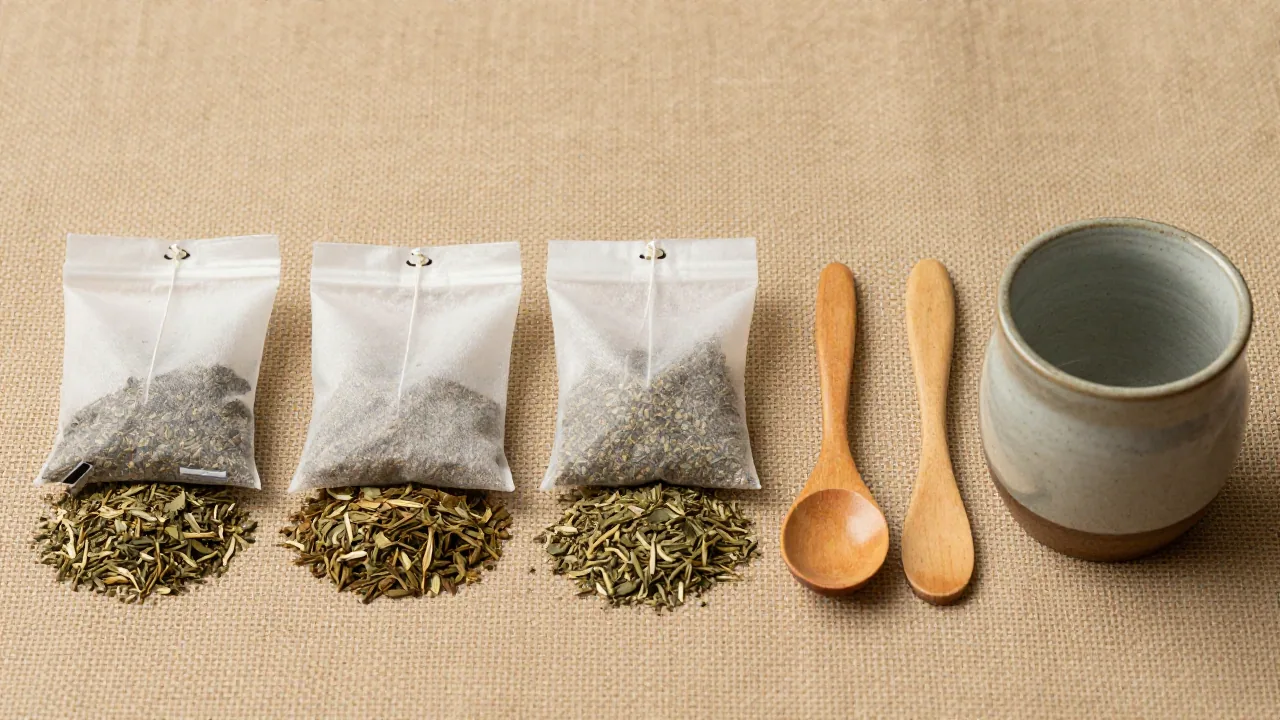
Review additives and packaging materials
Flavorings, sweeteners, strings, tags, staples, wrappers, and sachet material all affect product fit. A clean ingredients list is only one part of the decision.
If composting or plastic-free packaging matters, check the manufacturer's specific material statement and local facility rules. Do not assume every tea bag is compostable.
For allergens or dietary restrictions, rely on the product label rather than a general category description.
Use the first box as a small trial
A practical first test is one small box or sample pack, brewed according to the label, with notes on taste, strength, timing, and how the body responds.
Avoid escalating serving size quickly just because the flavor is mild. Caffeine effect can vary by person and brewing routine.
The best outcome is a clear yes, no, or occasional-use note, not a universal claim about yerba mate tea bags.
Yerba Mate Tea Bags reader checks
- yerba mate and blend ingredients
- caffeine before routine use
- steeping instructions before adjusting
- bag convenience with loose mate
- health claims off the label
Yerba Mate Tea Bags reader questions
Do yerba mate tea bags contain caffeine?
Usually yes, because yerba mate naturally contains caffeine, but the exact amount depends on the product and brewing method.
Are tea bags the same as traditional yerba mate?
No. Tea bags are a convenient format and usually brew differently from loose mate in a gourd or infuser.
What should I check on the label first?
Check whether it is pure yerba mate or a blend, then review serving size, caffeine notes, additives, and packaging material.
Can all yerba mate tea bags go in compost?
No. Compostability depends on the bag, string, tag, staple, wrapper, and local facility rules.
Who should be cautious with yerba mate bags?
Anyone sensitive to caffeine or managing medical, pregnancy, medication, sleep, anxiety, or heart concerns should seek qualified guidance.