Sipping Broth Tea Bags: Ingredient Checks, Sodium, and Label Risks
Check sipping broth tea bags by ingredients, sodium, allergens, preparation directions, use cases, and differences from ordinary herbal tea.
Quick Answer: Sipping broth tea bags are savory steeping bags, so check the ingredient list, sodium, allergens, caffeine status, and preparation directions before using them as a snack, drink, or cooking shortcut.
Broth bag label facts
- Material
- Savory ingredients may differ from ordinary herbal tea.
- Risk
- Check stock, vegetables, spices, yeast, soy, gluten, or other allergens.
- Size
- Serving size and water volume change the final cup.
- Use case
- Drink alone or use as a light cooking base if directions allow.
- Not for
- Not medical nutrition advice.
Identify whether the bag is broth or tea
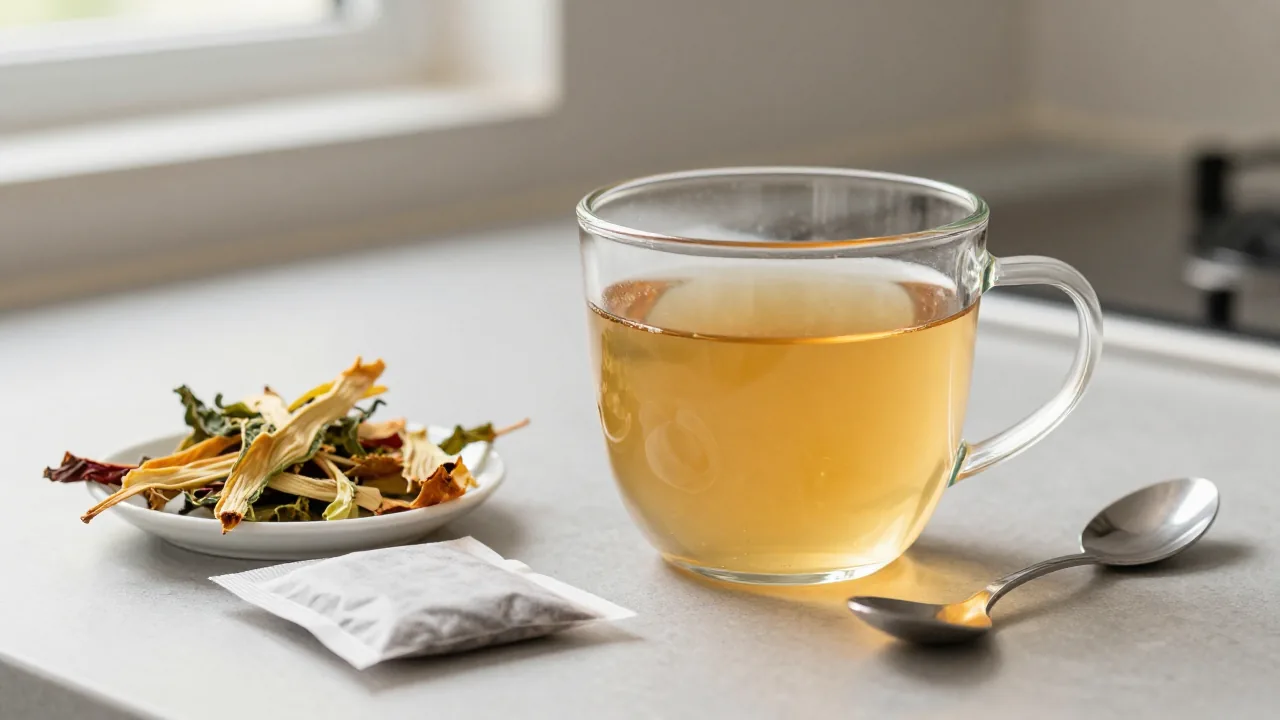
Sipping broth tea bags sit between a hot drink and a pantry ingredient. They are usually savory, so they should not be evaluated exactly like peppermint or chamomile tea.
Start by reading the product type, ingredient list, and directions. If the bag contains stock-style ingredients, treat it like a broth product for label checks.
That distinction affects taste, sodium, allergens, and how you might use the steeped liquid in cooking.
Read ingredients before flavor claims
Flavor names can be broad. A mushroom, vegetable, or miso-style broth bag may include seasonings, yeast extracts, soy ingredients, gluten sources, or natural flavors.
Do not rely on the front label alone. The ingredient list is the place to confirm what is actually in the bag.
If you cook for someone else, ask about allergens before serving. A savory tea-like bag can carry the same allergy concerns as packaged broth.
Check sodium and serving size together
Sodium is one of the most important checks for sipping broth tea bags. A serving that feels like tea may still contain meaningful salt.
Read the sodium amount with the serving size and preparation volume. If you use two bags or steep in less water, the final cup may be stronger.
This article does not give diet advice. It simply points to the label fields readers should compare.
Use the steeped broth for the right task
Some broth bags are designed for sipping, while others can also support simple cooking uses such as grains, noodles, or a light soup base.
Follow the directions before treating the bag as a substitute for stock. Strength, salt, and ingredient style can vary widely.
Taste before adding extra seasoning. Broth bags can become too salty when combined with other prepared foods.
Store opened packages like food
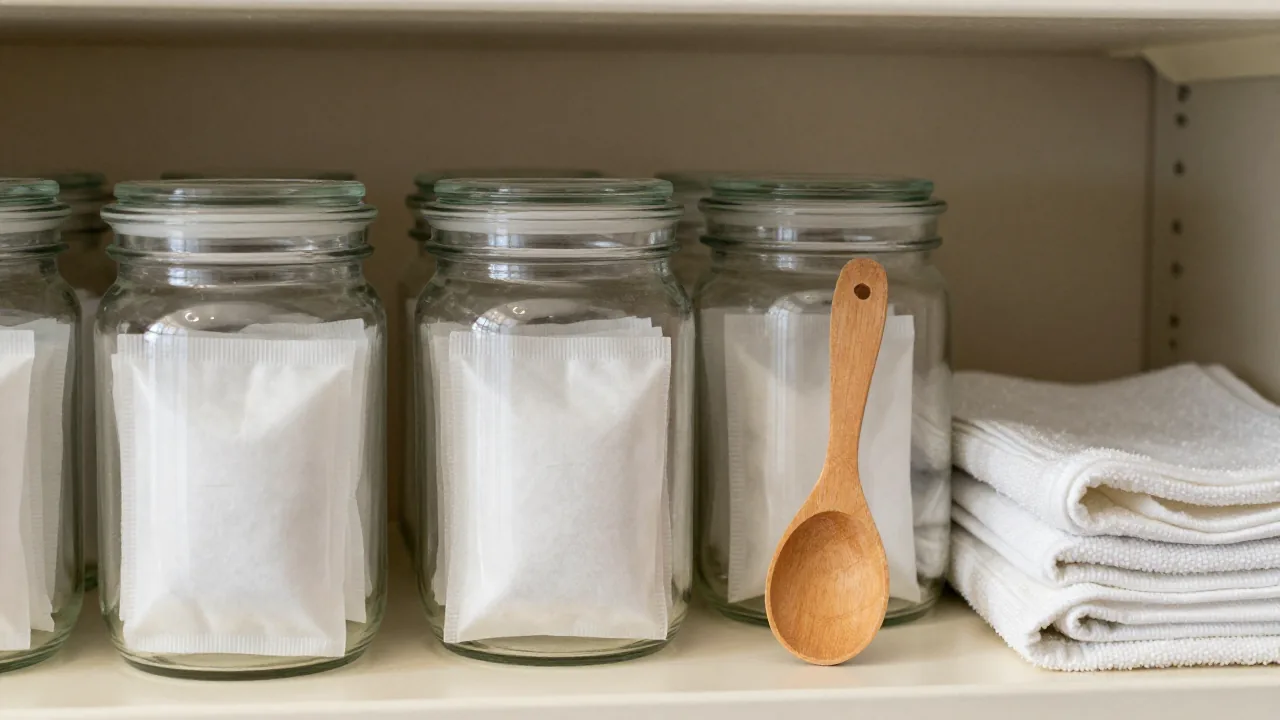
Because broth bags contain savory ingredients, storage matters. Close the package, keep it dry, and follow any freshness or refrigeration guidance on the label.
If the aroma changes, the bag is damp, or the package is damaged, do not use it as a shortcut.
A simple storage note protects both flavor and food-safety judgment without making unsupported health claims.
Broth bag label checks
- Confirm the bag is savory broth rather than herbal tea.
- Read the full ingredient list.
- Check sodium per serving and preparation volume.
- Look for allergens and dietary restrictions.
- Follow storage and cooking directions.
Sipping broth tea bag questions
Are sipping broth tea bags the same as herbal tea?
No. They are usually savory steeping products and need ingredient checks.
Should I check sodium?
Yes. Sodium can vary and should be read with serving size.
Can I cook with them?
Only if the product directions and flavor strength fit the use.
Are they caffeine free?
Check the label; do not assume.
Can this page give diet advice?
No. It only explains label and use-case checks.