Rooibos Tea Bags Guide: Caffeine-Free Checks Before Buying
Use this rooibos tea bags guide to check caffeine-free fit, ingredients, flavor, blends, bag quality, and steeping notes before buying.
A useful rooibos tea bags guide starts with five checks: confirm the caffeine-free fit, see whether the bag is pure rooibos or a blend, read the ingredient list, match flavor strength to your routine, and avoid treating the tea as a medical product.
Rooibos buying facts
- Material label
- Pure rooibos or clearly named blend
- Use case
- Evening tea, office cup, gift box, or daily caffeine-free rotation
- Product risk
- Hidden sweeteners, flavorings, black tea blends, or vague origin wording
- Preparation method
- Steeping time, bag size, and cut quality
- Price signal
- Ingredient clarity and serving count before decorative packaging
Check caffeine-free fit before flavor
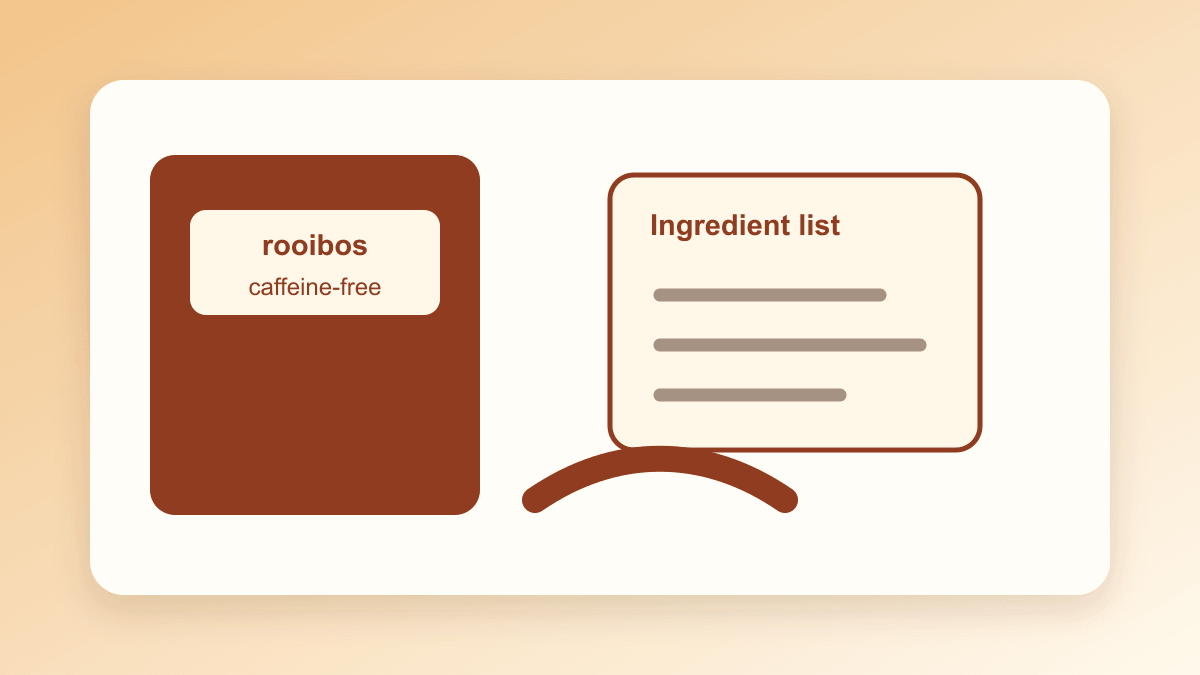
Rooibos itself is commonly chosen because it is naturally caffeine-free. The buying problem is that a product name can still hide a blend.
Read the front label, then read the ingredient list. If the package includes black tea, green tea, or mate, it no longer serves the same evening-tea purpose. This check matters more than decorative packaging because the buyer is usually choosing rooibos for a specific routine. A clear label check prevents a buyer from choosing a blend that no longer fits evening use.
Compare pure rooibos and blends
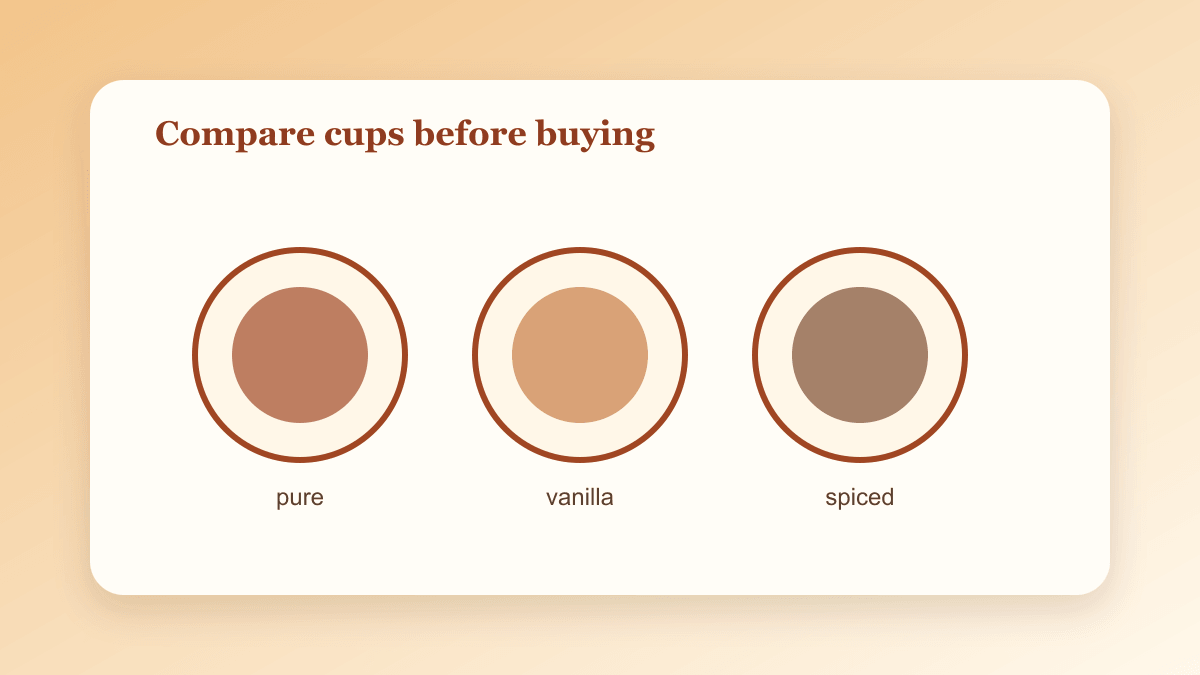
Pure rooibos is the cleanest choice when you want to learn the base flavor: mellow, lightly woody, and naturally sweet.
Flavored rooibos can be useful when the reader wants vanilla, citrus, spice, or berry notes, but the added ingredients should be easy to understand. Compare the blend name with the ingredient list so flavor words do not hide sweeteners or another tea base. This comparison also explains why two boxes with similar front labels can taste and behave differently.
Use steeping details as quality signals
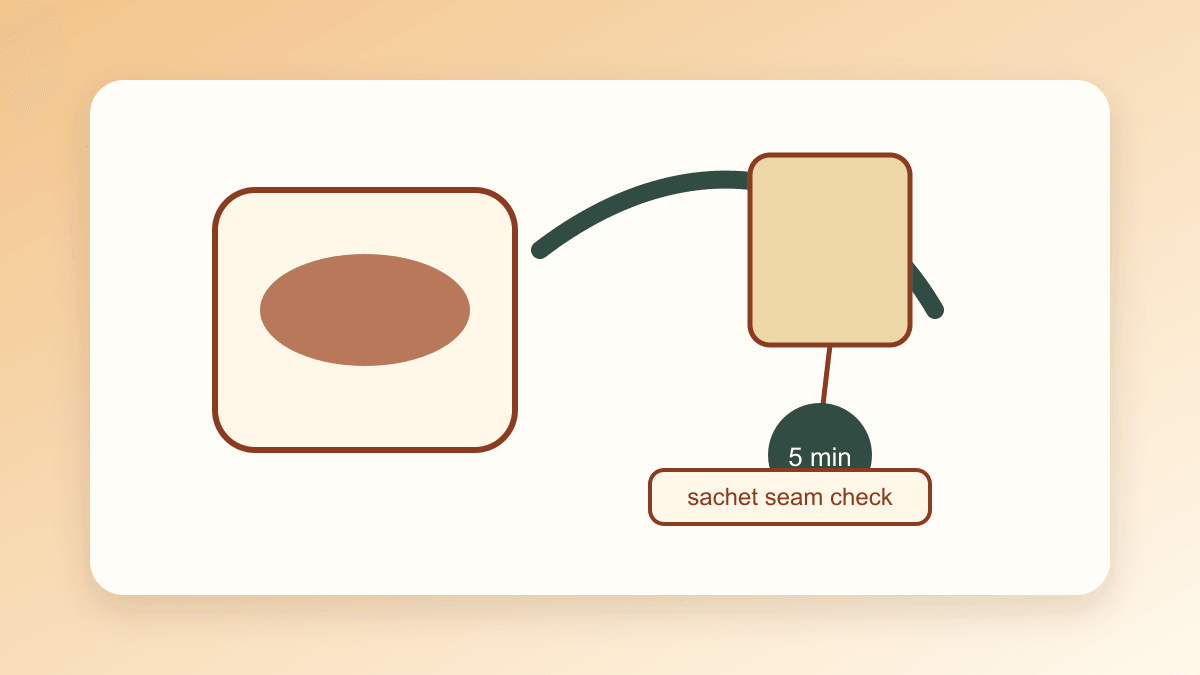
A very small bag may taste thin. A dusty cut can brew quickly but feel flat. A larger sachet may give a rounder cup if the ingredient quality is clear.
Steeping directions are practical evidence. If the package gives clear time and serving guidance, it is easier to reproduce the flavor. Bag size, cut texture, and sachet material also affect whether the cup tastes rounded or thin. Those details are better quality signals than wellness language or decorative box design.
Rooibos buying checks
- Confirm the ingredient list matches the caffeine-free reason.
- Choose pure rooibos when you want the base flavor.
- Check bag size, material, and steeping directions.
- Ignore medical promises and compare the beverage details.
Rooibos tea bag questions
Are rooibos tea bags naturally caffeine free?
Pure rooibos is naturally caffeine-free. Blended products still need ingredient checks.
Should I buy pure rooibos or a blend?
Choose pure rooibos for base flavor; choose a blend when the added ingredients are clear and match your routine.
Which label clues matter for rooibos tea bags?
Look for caffeine wording, full ingredient list, flavorings, sweeteners, bag material, and steeping directions.
Can rooibos tea bags be treated as a health product?
No. This guide treats rooibos tea bags as a beverage and buying choice, not a medical product.