Lemongrass Tea Bags Guide: Label, Aroma, and Steeping Checks
Use this lemongrass tea bags guide to judge ingredient wording, citrus aroma, blend strength, storage clues, and realistic beverage limits before buying.
A lemongrass tea bags guide should verify the herb name, the blend base, and the steeping directions before judging the citrus aroma. Choose a bag that names lemongrass clearly, avoids unsupported health promises, and fits the cup strength you actually want.
Buying checks for lemongrass material and flavor risk
- Material cue
- Look for lemongrass or Cymbopogon in the ingredient list
- Use case
- Best for a bright caffeine-free herbal shelf when no tea base is added
- Blend risk
- Mint, ginger, green tea, or black tea changes the cup and routine
- Package size
- Choose sealed sachets for slow use and larger pouches only for daily drinking
- Not for
- Medical, digestive, pregnancy, allergy, sleep, or weight-loss claims
Read the herb line before trusting citrus wording
Lemongrass tea packaging often promises a bright citrus cup, but the ingredient line decides what is actually in the bag. A clear product names lemongrass directly rather than hiding it behind flavor language.
If the bag includes green tea, black tea, mate, or another caffeinated base, it belongs in a different routine from a plain evening herbal cup. The front label can be attractive; the ingredient line has to do the real work.
For blends, check whether lemongrass is the leading herb or a background note. That distinction matters when you want a clean lemon-like aroma rather than a general herbal mix.

Match the cut and blend to the cup you want
Fresh lemongrass has a clean stalk aroma, while dried tea-bag cut can become softer, grassy, or flat. The best choice depends on whether you want a sharp citrus lift or a gentle herbal background.
Ginger makes the cup warmer, mint makes it cooler, and plain lemongrass keeps the profile easier to judge. A first-time buyer should usually pick a simple blend before buying a large box.
Use aroma as a check, not a guarantee. If the dry bag smells dusty or stale, the finished cup will rarely become brighter after steeping.
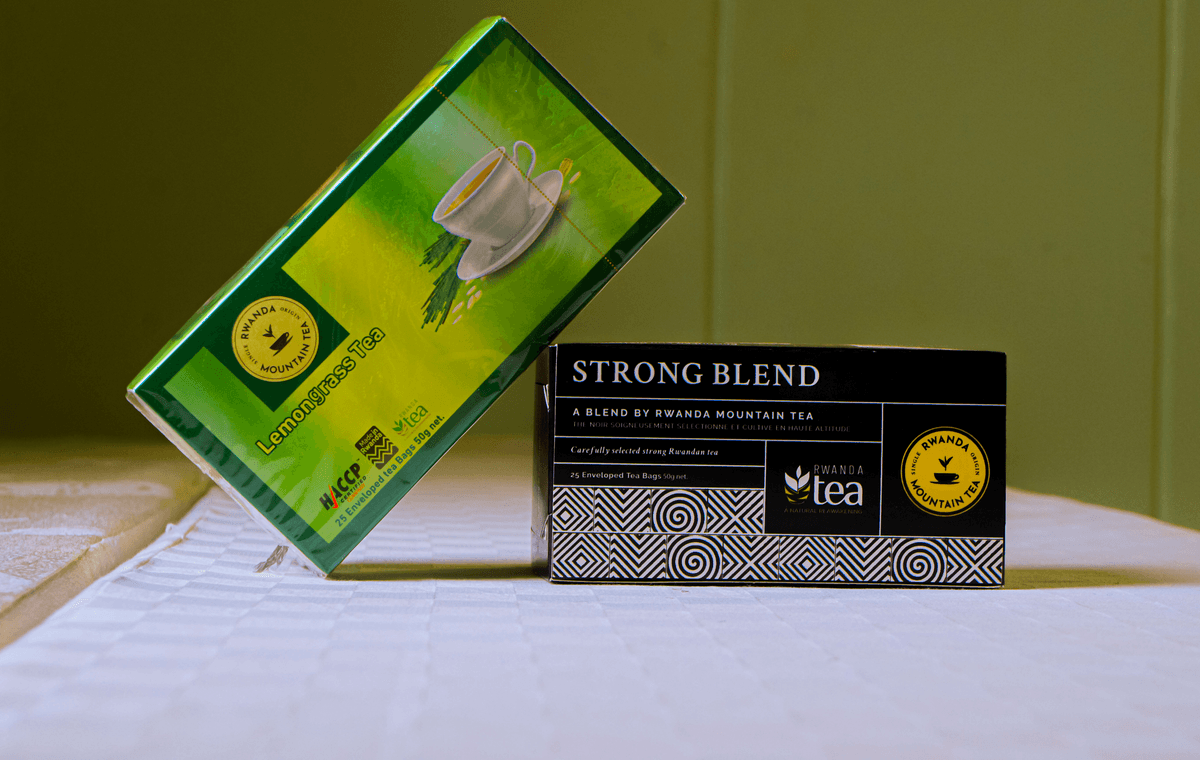
Use steeping directions and packaging as quality clues
A useful lemongrass tea bag gives practical steeping guidance instead of only mood language. Time, water amount, and sealed packaging all help you repeat the cup later.
Individually wrapped sachets are useful if the box will sit open for weeks. A resealable pouch can work for daily use, but only if it keeps the cut protected from kitchen smells.
Keep the boundary clear: this page helps with flavor, label reading, and storage decisions. It does not make digestive, sleep, weight, pregnancy, allergy, or medication claims.
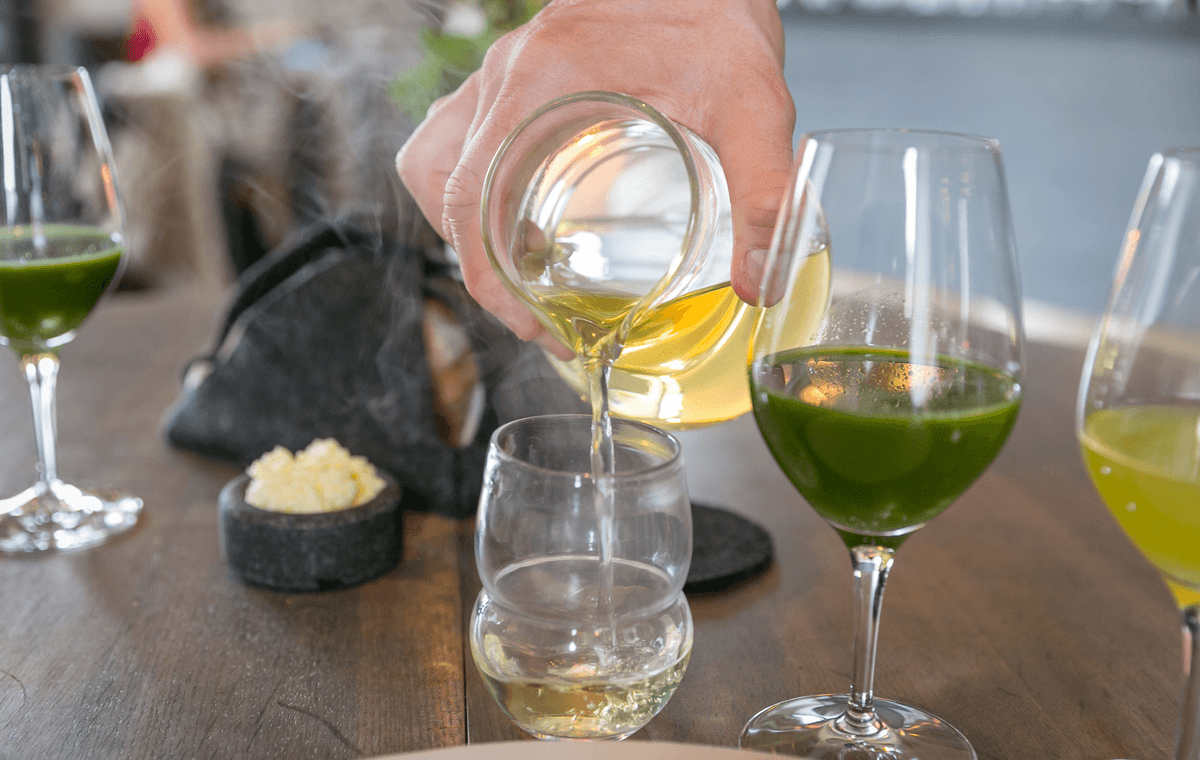
Before buying a lemongrass tea bag box
- Confirm lemongrass appears as a named ingredient.
- Check whether the blend contains caffeine from tea or mate.
- Pick simple lemongrass first if you are learning the flavor.
- Look for sealed packaging or a resealable pouch.
- Reject listings that lean on medical or guaranteed wellness claims.
Lemongrass bag and flavor questions
Are lemongrass tea bags naturally caffeine free?
Lemongrass itself is an herbal ingredient, but a blend can include green tea, black tea, or mate. Read the caffeine statement and ingredient list.
Why does a lemongrass tea bag taste grassy?
The cut, age, storage, and blend balance can make the cup taste grassy or flat. A clearer ingredient list and sealed packaging improve the odds of a brighter cup.
Is ginger lemongrass better than plain lemongrass?
It depends on the routine. Ginger adds warmth and bite, while plain lemongrass is easier when you want to judge the citrus note itself.
Can this guide make health claims about lemongrass tea?
No. This is a buying and brewing guide, not medical, digestive, pregnancy, allergy, or medication advice.