Lemon Balm Tea Bags: How to Choose, Brew, and Store Them
Choose lemon balm tea bags by the ingredient list, make a simple first cup, and store the sachets well without turning herbal tea into a health promise.
Lemon balm tea bags are easiest to judge from the box and the first cup: check the ingredient list and caffeine note, steep one bag in hot water as directed, then store the remaining sachets dry and away from strong odors. They are a beverage choice, not a treatment or a guarantee.
What to check before the first cup
- Ingredient and bag material
- Read the ingredient list for lemon balm and any additional herbs, flavors, or sweeteners; the box is the product-specific source.
- Caffeine check
- Herbal tea bags are often caffeine-free, but a blend can include tea leaves or other ingredients, so check the package rather than assuming.
- Use case: first evening cup
- Make one plain cup first so the herbal flavor is clear before adding lemon, honey, or another tea.
- Storage risk
- Heat, moisture, and strong pantry odors can dull the aroma of individually wrapped or loose sachets.
- Not for medical treatment
- A cup of herbal tea is a beverage choice; it is not a substitute for medical, medication, or safety advice.
Choose a lemon balm tea bag by what the box actually says
Start with the ingredient list, not the picture on the front of the box. A product sold as lemon balm tea may be a single-herb bag or a blend with mint, citrus peel, lemongrass, natural flavors, or other plants. Neither style is automatically better. The useful question is whether the contents match the cup you want to make and whether you know what you are buying.
Look for a caffeine statement as well. Lemon balm is an herb, but a blended bag can still include black tea, green tea, or another caffeinated ingredient. If caffeine matters to your routine, the package is more reliable than a broad claim about herbal tea. Check the serving directions too; bag size and blend strength vary from one box to another.
A first box does not need to be a perfect long-term choice. Pick a clearly labeled option, keep the receipt or take a photo of the ingredients, and make one plain cup before deciding whether you want a brighter citrus blend, a softer herbal profile, or a different product altogether.
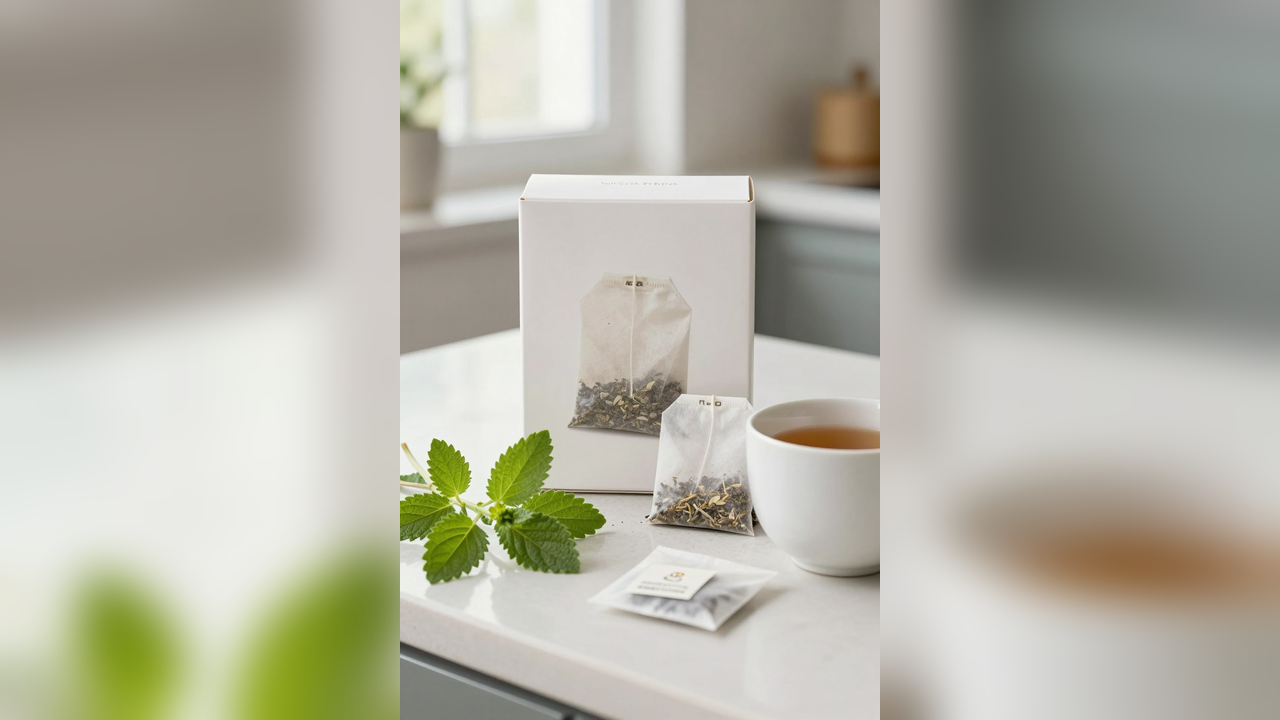
Make the first cup simple enough to taste the herb
Use the preparation directions on the box as your starting point. Put one tea bag in a cup, add hot water, and leave enough room to lift the bag without spilling. A clear cup or a light-colored mug makes it easier to notice how the color and aroma develop without turning the first try into a recipe experiment.
Before adding anything, take a small sip once the bag has steeped for the listed time. Lemon balm can taste soft, leafy, or gently citrus-like, and the balance changes with the blend. If the cup is too light, steeping a little longer on the next try is usually a cleaner adjustment than immediately using two bags. If it is too strong, shorten the next steep or use more water.
Honey, a slice of lemon, or a second herb can be pleasant, but they hide what the bag itself contributes. Starting plain gives you a useful comparison point when you later try a blend, a different brand, or a cold version.
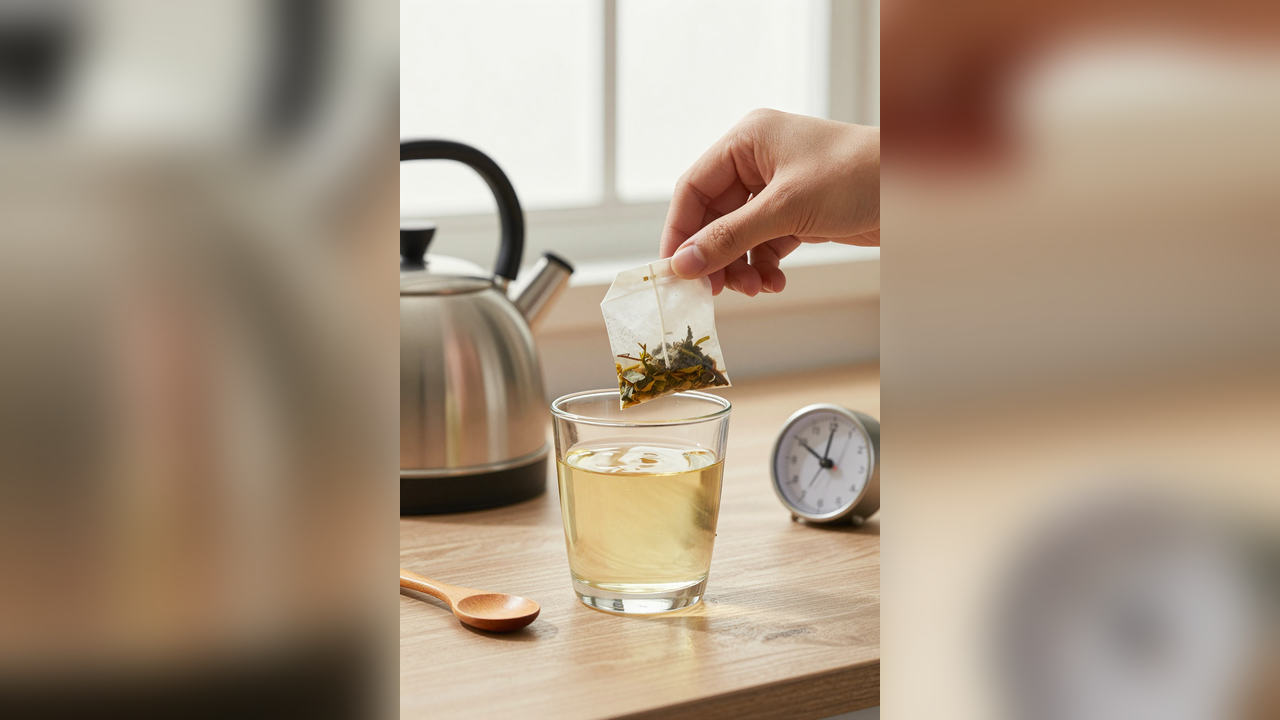
Adjust the cup without turning it into a health claim
A lemon balm tea bag can fit an evening routine simply because warm, caffeine-conscious drinks are easy to prepare. That is a preference, not a promise about sleep, stress, digestion, or a medical result. Keep the language as practical as the cup: choose it for flavor and routine, then decide whether it suits you.
If you are considering an herbal product alongside medication, pregnancy, a medical condition, or a planned procedure, a package description is not enough information. Ask a qualified clinician or pharmacist about your circumstances. That step is separate from enjoying tea and avoids treating an ingredient list as personal health advice.
The same boundary applies when a product makes a large claim. A tea bag can be a convenient beverage, but strong treatment language should not be the reason to buy it. Save the box, check the ingredients, and use reliable health guidance when the question is more than taste or caffeine.
Keep the unopened aroma in the box for longer
Tea bags hold their aroma best when the box stays dry, closed, and away from heat. A cupboard shelf is usually a better home than the counter beside a kettle, a sunny windowsill, or the shelf above an oven. If the original box is flimsy after opening, move the sachets into an opaque tin with a close-fitting lid.
Keep tea away from strongly scented foods and cleaning products. Paper and foil sachets can pick up odors in a crowded pantry, and the change is most noticeable in a mild herbal tea. Do not refrigerate ordinary dry tea bags unless the package gives a specific reason; moisture from a refrigerator can create a different problem.
When the aroma becomes flat or the bags have been damp, replace the box rather than trying to rescue it with extra steeping. A fresh, properly stored bag makes the first-cup method easier to judge and keeps the choice focused on the tea itself.
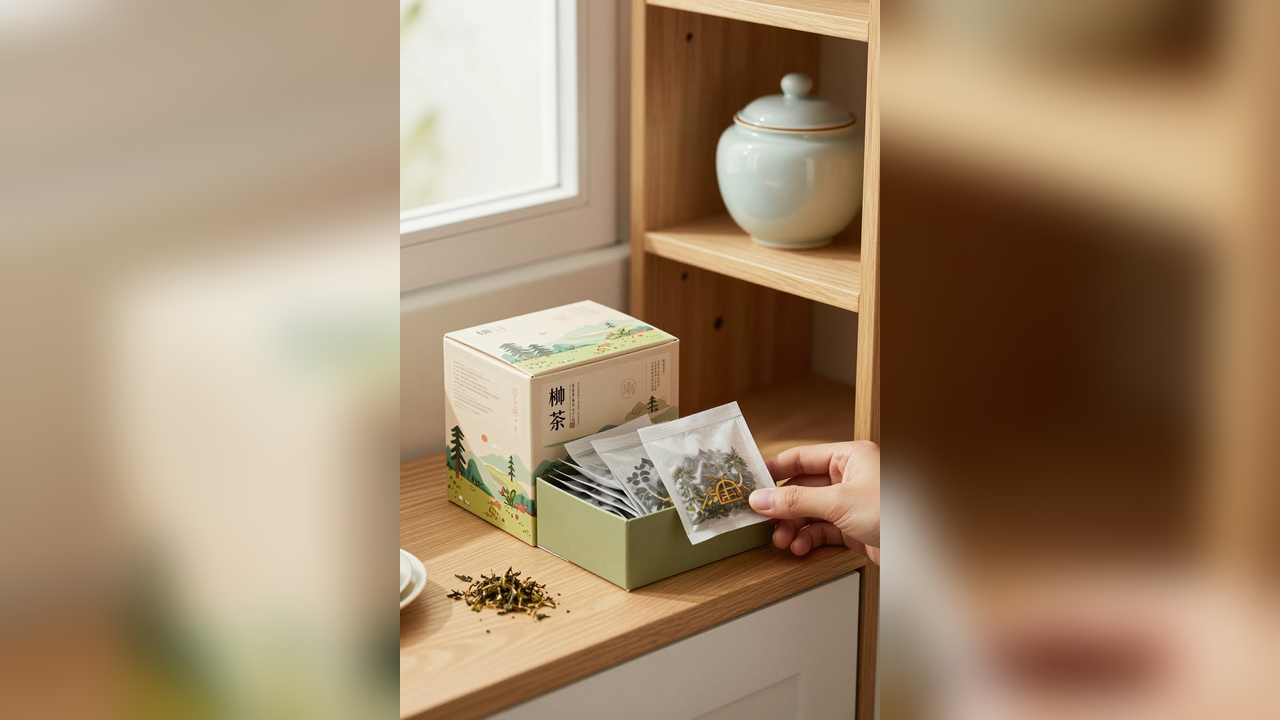
A label-to-cup check before you keep the box
- Confirm that lemon balm appears in the ingredient list and note any added herbs or flavors.
- Check the package for a caffeine statement instead of assuming every herbal blend is caffeine-free.
- Make one plain cup using the listed starting directions before changing the recipe.
- Adjust the next cup by time or water amount, not by treating a stronger cup as a health solution.
- Store unopened sachets dry, closed, and away from heat and strong pantry odors.
Lemon balm tea bag questions before you buy
Do lemon balm tea bags contain caffeine?
A lemon balm-only herbal tea bag is commonly sold without caffeine, but blends vary. Check the actual ingredient list and caffeine statement because some products add tea leaves or other ingredients.
How long should I steep a lemon balm tea bag?
Use the package directions first because the bag size and blend affect strength. Taste the first cup plain, then adjust the next cup a little longer or shorter if you want a stronger or lighter flavor.
What should I look for on a lemon balm tea bag label?
Look for the ingredient list, any caffeine information, serving directions, the number of bags, and whether the product is a single herb or a blend with additional flavors or plants.
Can I drink lemon balm tea bags every day?
For a beverage routine, follow the product directions and your own tolerance. For questions involving medication, pregnancy, a medical condition, or a planned procedure, ask a qualified clinician or pharmacist rather than relying on a tea label.