Lavender Tea Bags Guide: Aroma, Label, and Steeping Checks
Use this lavender tea bags guide to check ingredient wording, floral strength, pure versus blended bags, steeping style, and realistic beverage limits before buying.
A lavender tea bags guide should start with the ingredient list and aroma expectation. Choose a clear lavender or lavender-blend label, check whether the product is caffeine-free, and treat lavender tea as a beverage choice rather than a medical promise.
Lavender box checks before buying
- Primary label check
- Lavender should be named clearly in the ingredient list
- Flavor risk
- Too much lavender can taste perfume-like or bitter
- Blend clue
- Chamomile, mint, lemon, or black tea changes the routine
- Best use case
- Light floral cup, evening shelf, sampler box, or gift set
- Claim boundary
- Beverage guidance only, not sleep or medical advice
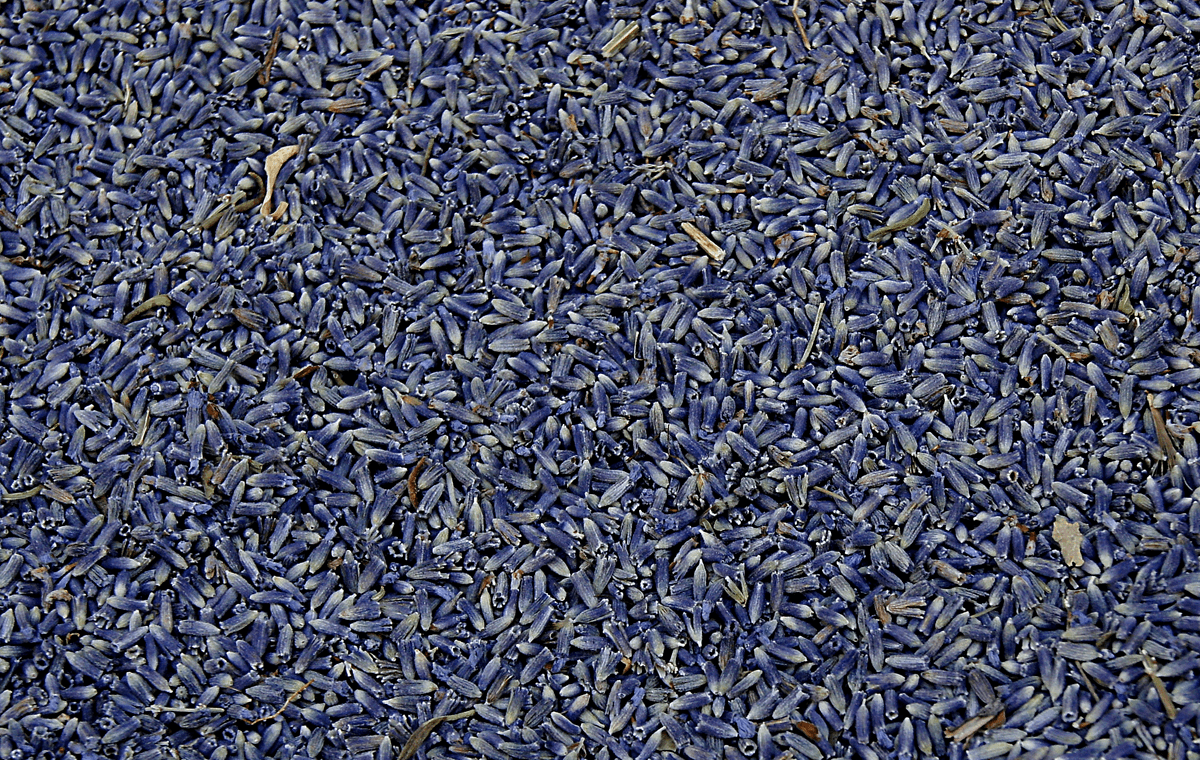
Start with the ingredient list, not the purple box
Lavender packaging can look calm even when the actual blend is weak, flavored, or mixed with a different tea base. Read the ingredient list before judging the box design.
The useful question is simple: is lavender the main herb, a supporting note, or just part of the flavor wording? That answer changes whether the bag fits a floral cup, a gift set, or a caffeine-free shelf.
If the label includes black tea, green tea, or mate, do not treat the product as the same evening herbal option. The front name and the ingredient list should agree before the product goes into your cart.
Match lavender strength to the cup you actually want
Lavender can be pleasant in a light blend, but it can also taste sharp or perfume-like when the cut is strong or the steep is too long. The best bag is not always the strongest-smelling one.
Pure lavender is useful when you want to learn the herb's base aroma. A blend is better when chamomile, mint, lemon, or another plant is supposed to soften the cup.
Use the first cup as a calibration test. If the aroma dominates the taste, shorten the steep or choose a softer blend instead of assuming every lavender tea bag will behave the same way.
Use steeping and storage notes as quality signals
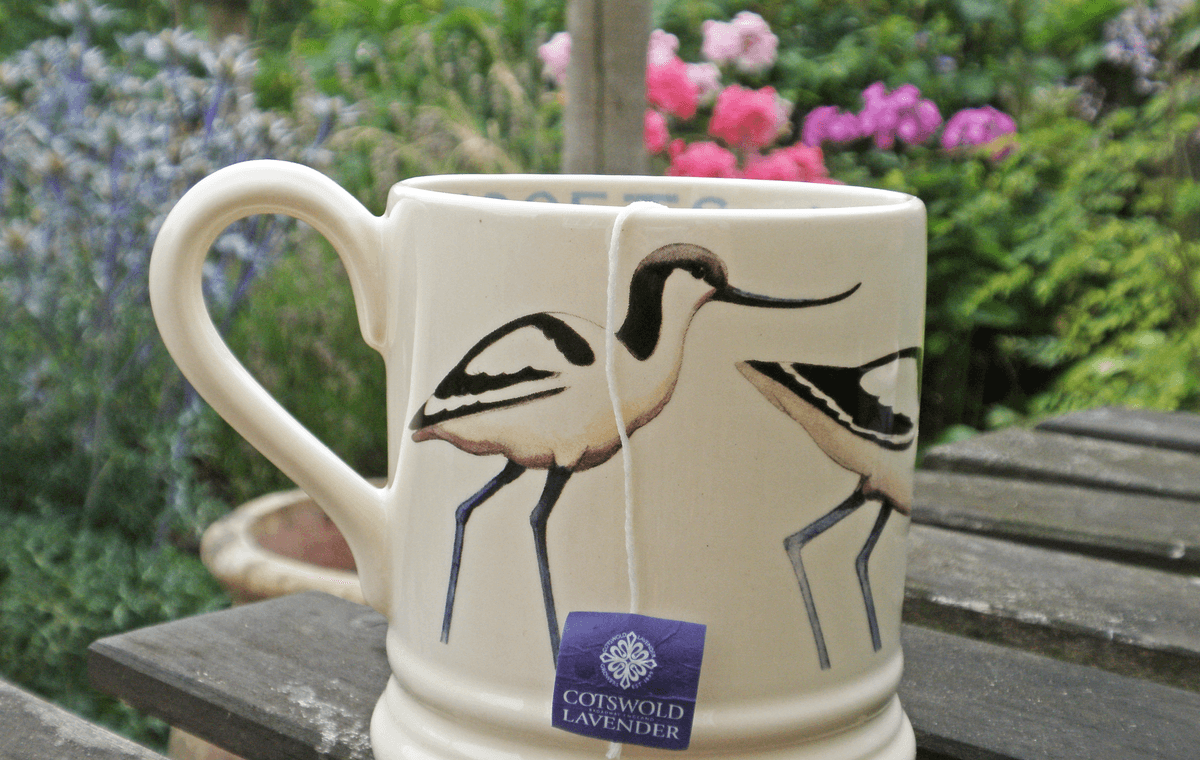
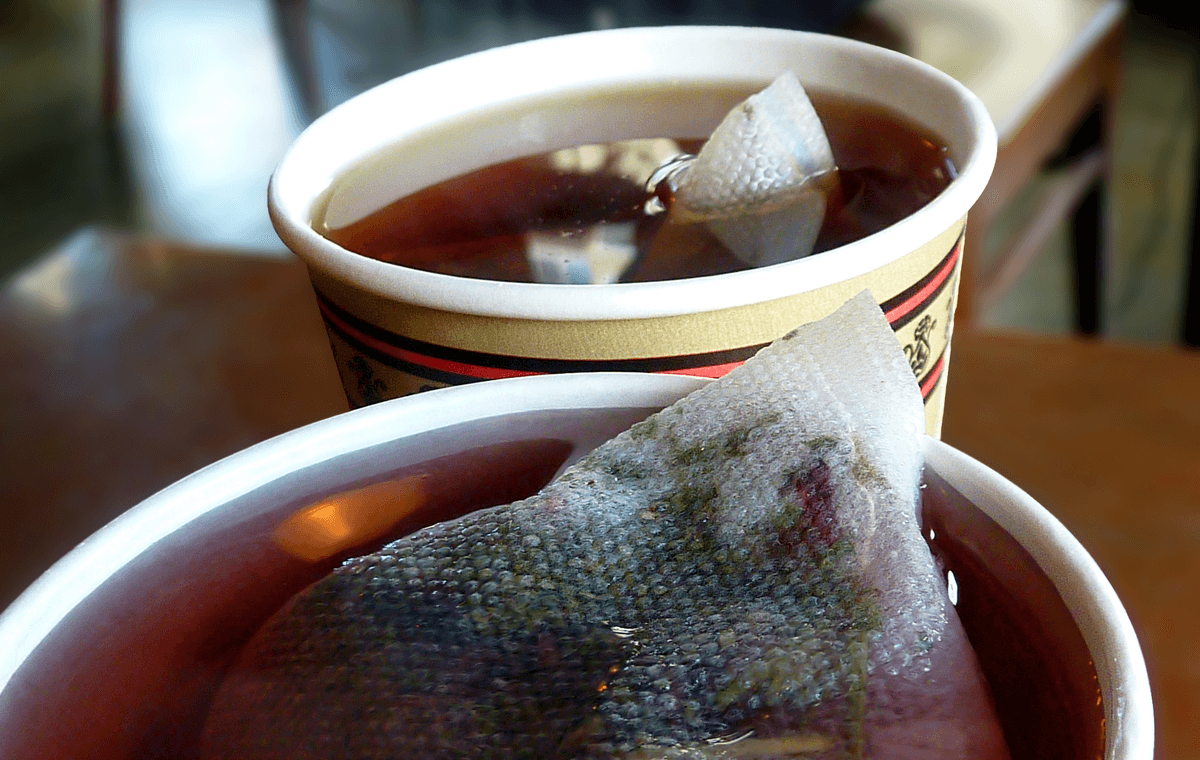
Clear steeping directions make a lavender tea bag easier to repeat. Look for time guidance, serving size, and whether the bag is protected from air and strong kitchen smells.
Lavender aroma fades when packaging stays open too long. Individually wrapped bags can help a slow-use box, while a resealable pouch may be enough for a daily drinker.
Keep the expectation modest. A lavender tea bag can support a quiet beverage routine, but this page does not claim treatment, sleep results, or guaranteed effects.
Before adding lavender tea bags to cart
- Confirm lavender appears clearly in the ingredient list.
- Check whether the blend includes caffeinated tea or mate.
- Decide whether you want pure lavender or a softened blend.
- Look for steeping directions and sealed packaging.
- Avoid products that rely on medical or guaranteed sleep claims.
Lavender label and flavor questions
Are lavender tea bags always caffeine free?
No. Lavender itself is an herbal ingredient, but a blend can include black tea, green tea, or mate. Read the caffeine wording and ingredient list.
Why do lavender tea bags sometimes taste perfume-like?
The cut, amount of lavender, blend balance, and steeping time can make the aroma stronger than the cup needs. A shorter steep or softer blend may taste better.
Is pure lavender better than a lavender blend?
Pure lavender is best for learning the base aroma. A blend is often easier for daily drinking when chamomile, mint, or lemon softens the floral note.
Can this guide treat lavender tea as sleep advice?
No. This is a beverage and buying guide. It does not make sleep, medical, pregnancy, allergy, or medication claims.