How to Measure Tea Bags for a Gallon: Strength and Dilution
A practical starting point for one US gallon is about 8 regular single-cup tea bags, then adjust for bag size, tea type, steeping method, ice dilution, and
Quick Answer: A practical starting point for one US gallon is about 8 regular single-cup tea bags, then adjust for bag size, tea type, steeping method, ice dilution, and the maker’s directions. Do not assume family-size and single-cup bags are equivalent.
Gallon-batch brewing variables
- US gallon
- 128 US fluid ounces.
- Starting ratio
- About 8 regular bags if one bag serves roughly 16 ounces.
- Family-size bags
- Use package yield rather than bag count.
- Iced tea
- Account for ice and final dilution.
- Storage
- Cool promptly and refrigerate.
Calculate from bag yield and gallon size
Calculate from bag yield and gallon size is the working question for this part of how many bags of tea for a gallon. A practical starting point for one US gallon is about 8 regular single-cup tea bags, then adjust for bag size, tea type, steeping method, ice dilution, and the maker’s directions. Do not assume family-size and single-cup bags are equivalent.
The useful record is specific: us gallon means 128 US fluid ounces. Readers should preserve the method, object, setting, or source that makes this point reproducible instead of relying on a loose association.
This distinction matters because starting ratio changes how the answer should be used. Keep the conclusion proportional to the evidence and carry the stated limit into any family note, comparison, or practical decision.
Scale a single-cup ratio to one US gallon
Scale a single-cup ratio to one US gallon is the working question for this part of how many bags of tea for a gallon. A practical starting point for one US gallon is about 8 regular single-cup tea bags, then adjust for bag size, tea type, steeping method, ice dilution, and the maker’s directions. Do not assume family-size and single-cup bags are equivalent.
The useful record is specific: starting ratio means about 8 regular bags if one bag serves roughly 16 ounces. Readers should preserve the method, object, setting, or source that makes this point reproducible instead of relying on a loose association.
This distinction matters because family-size bags changes how the answer should be used. Keep the conclusion proportional to the evidence and carry the stated limit into any family note, comparison, or practical decision.
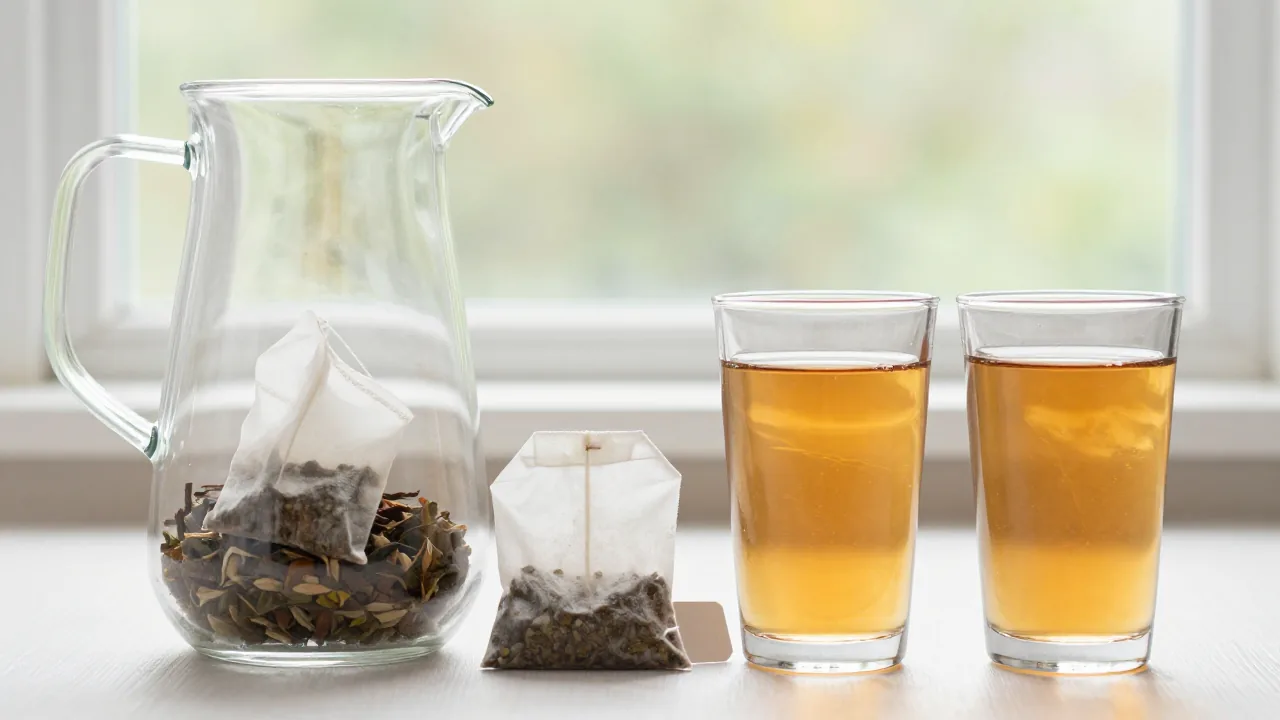
Adjust for iced-tea dilution
Adjust for iced-tea dilution is the working question for this part of how many bags of tea for a gallon. A practical starting point for one US gallon is about 8 regular single-cup tea bags, then adjust for bag size, tea type, steeping method, ice dilution, and the maker’s directions. Do not assume family-size and single-cup bags are equivalent.
The useful record is specific: family-size bags means use package yield rather than bag count. Readers should preserve the method, object, setting, or source that makes this point reproducible instead of relying on a loose association.
This distinction matters because iced tea changes how the answer should be used. Keep the conclusion proportional to the evidence and carry the stated limit into any family note, comparison, or practical decision.
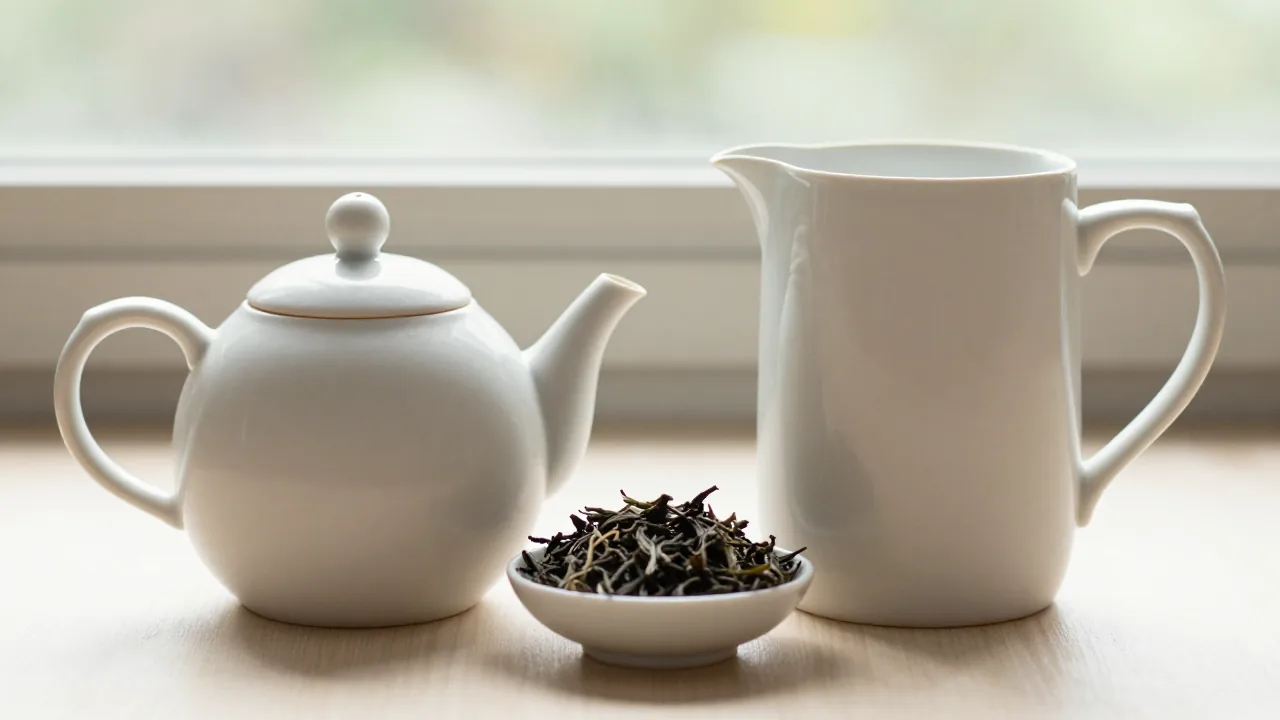
Change steep time before adding many more bags
Change steep time before adding many more bags is the working question for this part of how many bags of tea for a gallon. A practical starting point for one US gallon is about 8 regular single-cup tea bags, then adjust for bag size, tea type, steeping method, ice dilution, and the maker’s directions. Do not assume family-size and single-cup bags are equivalent.
The useful record is specific: iced tea means account for ice and final dilution. Readers should preserve the method, object, setting, or source that makes this point reproducible instead of relying on a loose association.
This distinction matters because storage changes how the answer should be used. Keep the conclusion proportional to the evidence and carry the stated limit into any family note, comparison, or practical decision.
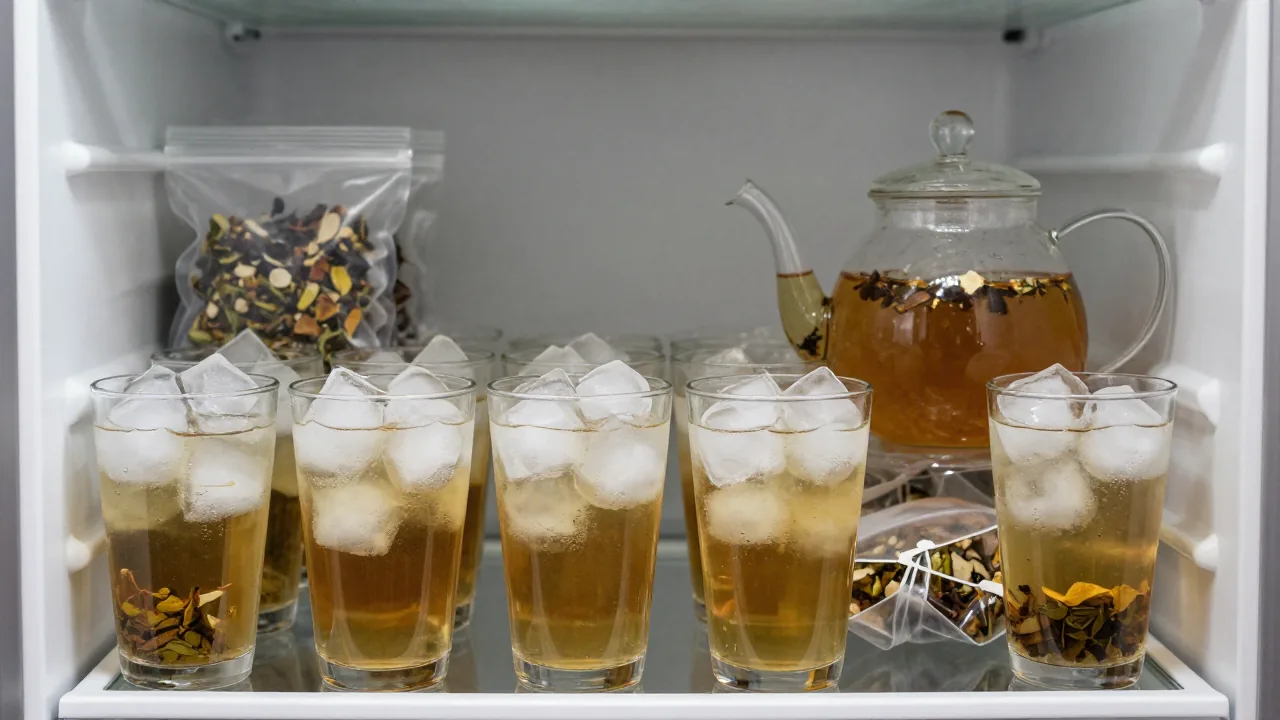
Cool and store the batch safely
Cool and store the batch safely is the working question for this part of how many bags of tea for a gallon. A practical starting point for one US gallon is about 8 regular single-cup tea bags, then adjust for bag size, tea type, steeping method, ice dilution, and the maker’s directions. Do not assume family-size and single-cup bags are equivalent.
The useful record is specific: storage means cool promptly and refrigerate. Readers should preserve the method, object, setting, or source that makes this point reproducible instead of relying on a loose association.
This distinction matters because us gallon changes how the answer should be used. Keep the conclusion proportional to the evidence and carry the stated limit into any family note, comparison, or practical decision.
A brew-dilute-taste adjustment path
- calculate from bag yield and gallon size
- scale a single-cup ratio to one US gallon
- adjust for iced-tea dilution
- change steep time before adding many more bags
- cool and store the batch safely
Questions about gallon tea batches
How many regular tea bags make a gallon?
128 US fluid ounces. Apply that point to the exact date, method, material, passage, scene, or family record described in the question.
How many family-size tea bags make a gallon?
About 8 regular bags if one bag serves roughly 16 ounces. Apply that point to the exact date, method, material, passage, scene, or family record described in the question.
Should iced tea use more bags?
Use package yield rather than bag count. Apply that point to the exact date, method, material, passage, scene, or family record described in the question.
Can I steep longer instead?
Account for ice and final dilution. Apply that point to the exact date, method, material, passage, scene, or family record described in the question.
How long can brewed tea sit out?
Cool promptly and refrigerate. Use the page as a bounded reference and check an appropriate primary or professional source when the decision carries real consequences.