How to Resteep Herbal Tea Bags: Ingredients and Timing
A focused guide to can you resteep herbal tea bags, with facts, practical checks, context, and clear limits.
Quick Answer: You can resteep herbal tea bags only after checking package directions and handling the wet bag promptly. Discard a bag with unusual odor, appearance, or uncertain storage.
What changes during a second herbal infusion
- Reuse method
- You can resteep herbal tea bags only after checking package directions and handling the wet bag promptly.
- Ingredients
- Roots, spices, flowers, and blends release flavor differently.
- Timing step
- A used wet tea bag should not sit warm for a long period.
- Second result
- A second infusion is usually lighter and may be uneven.
- Safety step
- Discard a bag with unusual odor, appearance, or uncertain storage.
Ingredients decide whether a second steep is worthwhile
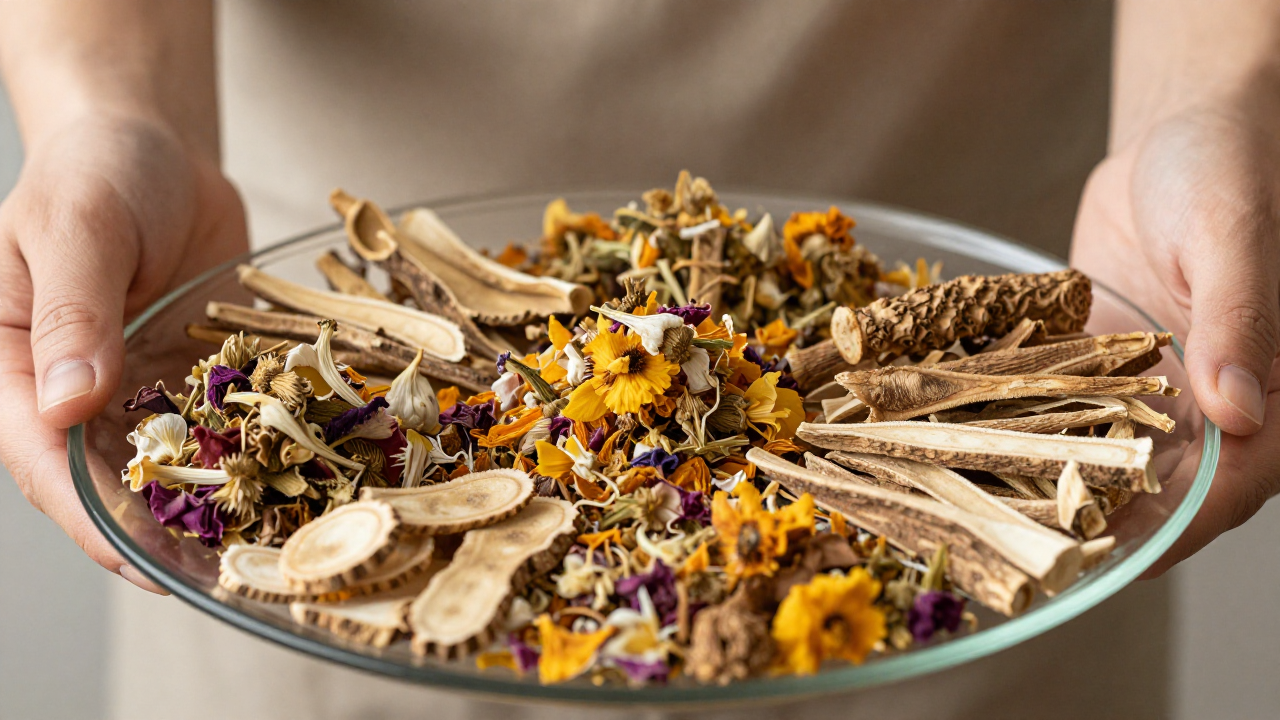
Herbal tea bags can contain flowers, leaves, roots, bark, spices, fruit pieces, or mixed powders. These ingredients release aroma and flavor at different rates, so one reuse rule does not fit every blend. This distinction gives the reader a concrete field to verify before moving to the next part of the decision.
Read the package directions and ingredient list first. Some products are designed for one infusion, while coarse roots or spices may still have noticeable flavor after the first cup. Keeping the source and context visible prevents a convenient shorthand from becoming a broader unsupported claim.
A second steep is a flavor choice, not a way to reproduce the labeled strength. Expect a lighter and sometimes less balanced cup because the fastest-releasing ingredients have already contributed most of their material. The check is repeatable because another reader can inspect the same object, record, or instruction rather than relying on a promise.
For products used for a medical purpose, follow professional and label advice rather than improvising repeated doses from a beverage article. That boundary preserves the useful cultural or practical information while making clear where independent evidence is still required.
The best second steep begins promptly
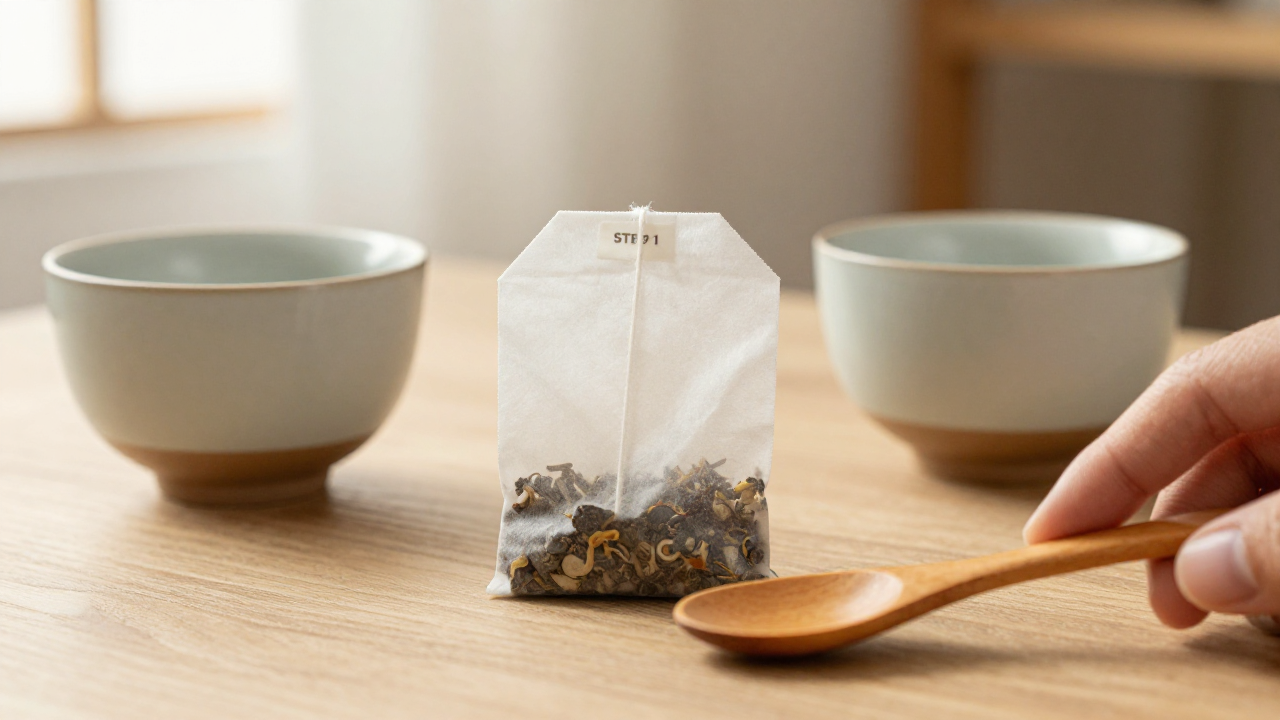
If you plan to resteep, begin soon after the first infusion while the bag has been handled cleanly. A wet bag left warm for a long period creates avoidable storage uncertainty. Keeping the source and context visible prevents a convenient shorthand from becoming a broader unsupported claim.
Use clean utensils and a fresh cup. Do not place the used bag on a dirty counter, squeeze it with unwashed hands, or return it to the original dry-tea package. The check is repeatable because another reader can inspect the same object, record, or instruction rather than relying on a promise.
Short timing also preserves more aroma. Delayed reuse usually produces a flatter cup even before storage concerns become the deciding issue. That boundary preserves the useful cultural or practical information while making clear where independent evidence is still required.
When immediate reuse is not practical, discarding the bag is the simple option. Saving a low-cost wet ingredient is not worth guessing about how it was stored. This distinction gives the reader a concrete field to verify before moving to the next part of the decision.
Adjust time and temperature to the blend
A second infusion may need a somewhat longer steep, but excessive time can draw harsh or muddy flavors from some roots, peels, and spices. Change one variable at a time. The check is repeatable because another reader can inspect the same object, record, or instruction rather than relying on a promise.
Use water temperature compatible with the package directions. Boiling water is not automatically ideal for every flower or aromatic blend, and a cooler first steep cannot always be corrected by aggressive reheating. That boundary preserves the useful cultural or practical information while making clear where independent evidence is still required.
Taste at intervals rather than assuming the second cup needs exactly twice the time. Stop when the flavor is pleasant, even if it remains lighter than the first. This distinction gives the reader a concrete field to verify before moving to the next part of the decision.
Do not repeatedly reheat a forgotten cup or leave the wet bag submerged for hours. Controlled brewing and prompt drinking keep the process understandable. Keeping the source and context visible prevents a convenient shorthand from becoming a broader unsupported claim.
How to judge the second cup
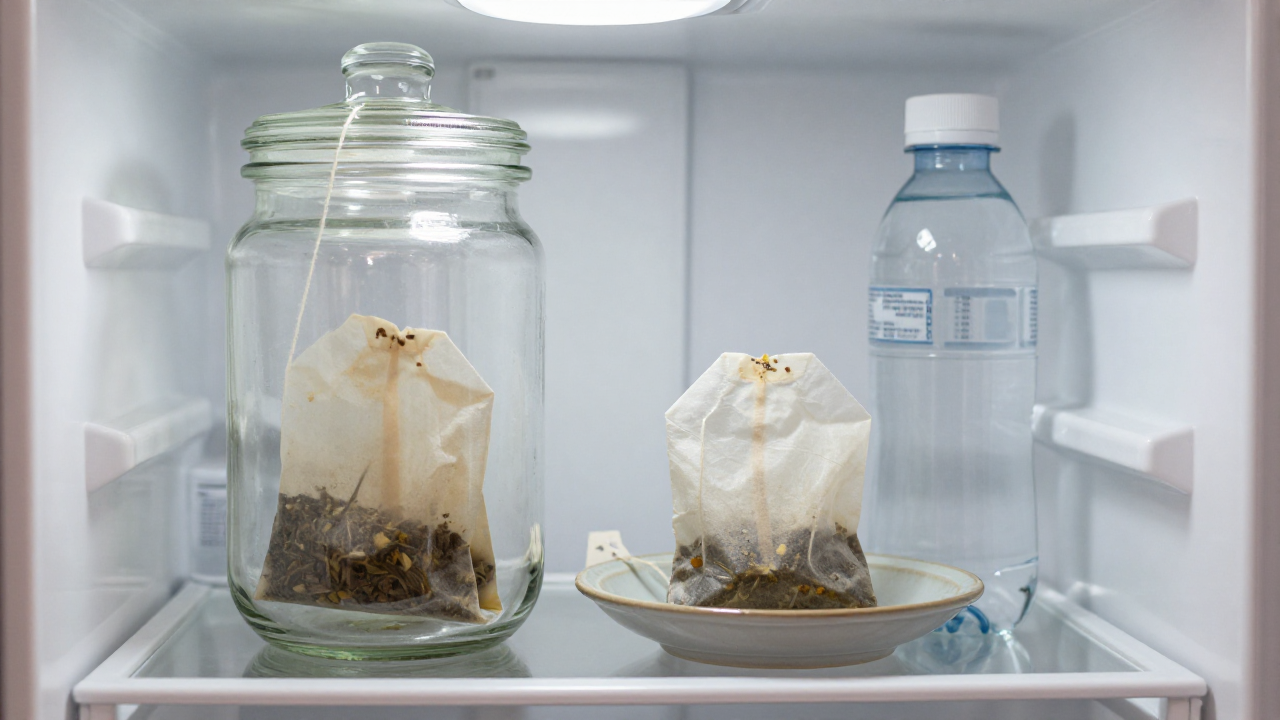
The second cup should smell and look consistent with a weaker version of the blend. A lighter color is expected; an unusual odor, surface film, or unexpected texture is not. That boundary preserves the useful cultural or practical information while making clear where independent evidence is still required.
Mixed bags can become uneven because delicate flowers release quickly while dense roots continue more slowly. The result may emphasize different ingredients rather than simply reducing every flavor equally. This distinction gives the reader a concrete field to verify before moving to the next part of the decision.
Additions such as milk, sweetener, or citrus can hide the underlying condition of the infusion. Check aroma and appearance before adding them. Keeping the source and context visible prevents a convenient shorthand from becoming a broader unsupported claim.
If the cup seems wrong or the handling history is uncertain, discard it. A sensory check supports caution but cannot make questionable storage safe. The check is repeatable because another reader can inspect the same object, record, or instruction rather than relying on a promise.
When the bag belongs in the bin
Discard the bag after the second infusion, after prolonged warm storage, or whenever the package says not to reuse it. Also discard torn bags that release fine material unexpectedly. This distinction gives the reader a concrete field to verify before moving to the next part of the decision.
Do not carry a wet bag loose in a lunch bag or pocket for later use. Moist ingredients and unclear temperature history make that a poor routine. Keeping the source and context visible prevents a convenient shorthand from becoming a broader unsupported claim.
People who are pregnant, take medication, have allergies, or manage a medical condition should verify whether the herbal ingredients are appropriate independently of resteeping. The check is repeatable because another reader can inspect the same object, record, or instruction rather than relying on a promise.
The practical aim is a pleasant second beverage from a known blend handled promptly. It is not maximum extraction at any cost. That boundary preserves the useful cultural or practical information while making clear where independent evidence is still required.
A useful tasting note separates the first and second infusions. Record the blend, package instructions, water temperature, steep time, interval between cups, color, aroma, and dominant ingredients in each cup. This makes it possible to learn that a ginger-heavy blend retains warmth while delicate floral notes fade, or that a fruit blend becomes thin and sour when steeped too long. Do not interpret the note as a safety guarantee; it describes flavor under one handling sequence. Discard any result with uncertain storage even if a previous trial tasted acceptable. The record can also reveal when a second steep is simply not worthwhile, which is a valid conclusion. Some bags are optimized for one balanced cup, and forcing another extraction produces little pleasure. Resteeping works best as a prompt, clean, ingredient-aware experiment within package guidance. It should not become a routine of carrying wet bags for hours, combining old and new bags, or trying to recover labeled strength through extreme heat and time.
A prompt second-steep routine
- Read the ingredient list and package directions
- Reuse the bag promptly with clean utensils
- Adjust time and temperature gradually
- Check aroma and appearance before additions
- Discard uncertain or prolonged storage
Herbal tea bag resteeping FAQ
Can every herbal tea bag be steeped twice?
No. Ingredients and package directions differ, and some blends produce little useful flavor after one cup.
Which ingredients may retain flavor?
Coarse roots, bark, and spices may release more slowly, while delicate flowers and fine leaves often fade sooner.
Can I save a wet tea bag for later?
Immediate reuse is preferable; prolonged warm or uncertain storage is a reason to discard it.
Should the second steep use hotter water?
Not automatically. Follow the blend directions and adjust time or temperature cautiously.
When should the second cup be discarded?
Discard it for unusual odor or appearance, torn packaging, uncertain handling, or prolonged storage.